
5 desk habits that are hurting your posture
Long hours at a desk do not have to mean a sore neck and tight back. These five everyday habits are the ones we see most, and each has a simple fix.
Read more: 5 desk habits that are hurting your postureHands-on, specialised care
Fascial Manipulation is a focused, hands-on technique that works with the fascia, the connective tissue that wraps and links our muscles. At our clinic it is used only after a full assessment, as one part of a wider plan that includes exercise.

Fascia is a web of connective tissue that surrounds muscles, joints and other structures and connects them to one another. When an area of fascia becomes dense or stiff, it may limit how smoothly a muscle or joint moves, and it may be linked with pain.
In Fascial Manipulation, the clinician uses your history and movement testing to work out which small areas of fascia may be involved. Firm, specific pressure is then applied to those points. The pressure can feel strong, but it should remain tolerable, and you can tell us at any moment to ease off.
Some small studies suggest it may help with certain kinds of musculoskeletal pain, but the research is still developing, and quality varies. We use it as one part of a plan alongside exercise, and not as a stand-alone cure.
Dr. Akshay Bandekar has advanced training in Fascial Manipulation (Italy).
We start with a thorough history of your symptoms, including where they started and how they have changed. Then we examine how you move, test the relevant joints and muscles, and look for patterns that suggest fascial involvement.
If we agree that the technique is suitable, a session is focused and measured. We test your movement before and after, so we can see whether it is helping.
We tell you which areas we think are involved and why, what the technique feels like and what to expect afterwards.
Firm, focused pressure is applied to small areas of fascia, usually for a short time. It can feel intense or tender, but it should stay within what you can tolerate.
We re-check your movement and symptoms after working on each area, to see whether anything has changed.
Some soreness or mild bruising can follow, much like after firm massage. We tell you what is normal and how to ease it.
The technique is paired with movement and strengthening, because lasting change depends on how you use your body.
We review how you responded and continue, change or stop, according to what helps.
Fascial Manipulation may suit adults with persistent musculoskeletal pain or restricted movement in a specific area. Dr. Akshay decides after assessment whether it is appropriate for you, and we will tell you if it is not.
It is the connective tissue that surrounds and links muscles, joints and other structures. It helps them glide and move together.
It can feel intense or tender at the points we work on, because the pressure is firm and specific. It should stay within what you can tolerate, and you can ask us to ease off or stop at any time.
There are some small studies that suggest it may help certain musculoskeletal problems, but the research is still developing and the quality varies. We use it as part of a broader plan and are open about its limits.
Some people have soreness or mild bruising for a day or two, similar to after firm massage. We explain what to expect and what to do if it is more than that.
Massage usually works over broad areas of muscle. Fascial Manipulation uses movement testing to choose small, specific points, and we re-test movement afterwards to check for change.
It depends on your symptoms and how you respond. We cannot promise a number, but we review progress regularly and stop if it is not helping.
Your physiotherapist
Dr. Akshay Bandekar is the founder of The Posture Perfect Physiotherapy Clinic.
Qualifications: BPTh, MIAP, COMT
Advanced training: Visceral Manipulation (USA), Fascial Manipulation (Italy), Craniosacral Therapy (USA)
Meet the teamBook an assessment at our Opera House clinic and we will plan your care together.
This website provides general information, not a diagnosis or personal medical advice. A qualified healthcare professional should assess your symptoms and advise on suitable care. Seek urgent medical attention for sudden weakness, loss of bladder or bowel control, chest pain, or other severe new symptoms.
From our journal
 Posture
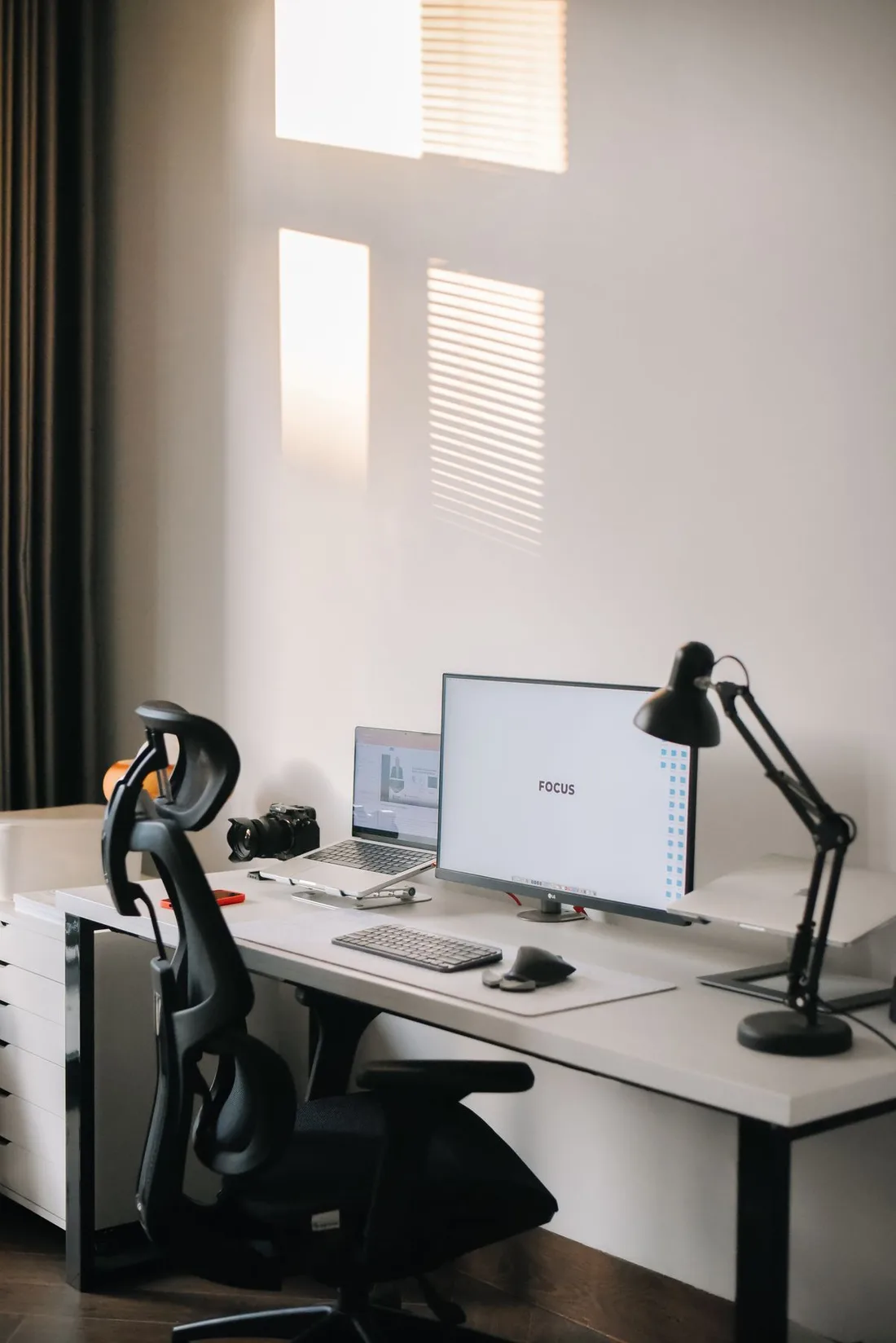
Long hours at a desk do not have to mean a sore neck and tight back. These five everyday habits are the ones we see most, and each has a simple fix.
Read more: 5 desk habits that are hurting your posture Back Pain
Most back pain settles on its own, but not all of it should be left to. Here is how to tell what can wait, what to get checked, and what needs urgent care.
Read more: When should you see a physio for back pain? Neck & Shoulders
Four gentle stretches you can do at your desk in a few minutes to ease a tight neck and shoulders, with simple pointers on how to do them comfortably.
Read more: Simple stretches for stiff neck and shoulders