
5 desk habits that are hurting your posture
Long hours at a desk do not have to mean a sore neck and tight back. These five everyday habits are the ones we see most, and each has a simple fix.
Read more: 5 desk habits that are hurting your postureBones, joints & muscles
Whether you run, play cricket, lift weights or turn out for a weekend game, an injury can interrupt more than your sport. At our Opera House clinic we assess what has happened, ease the pain and plan a staged return so you can get back with confidence.
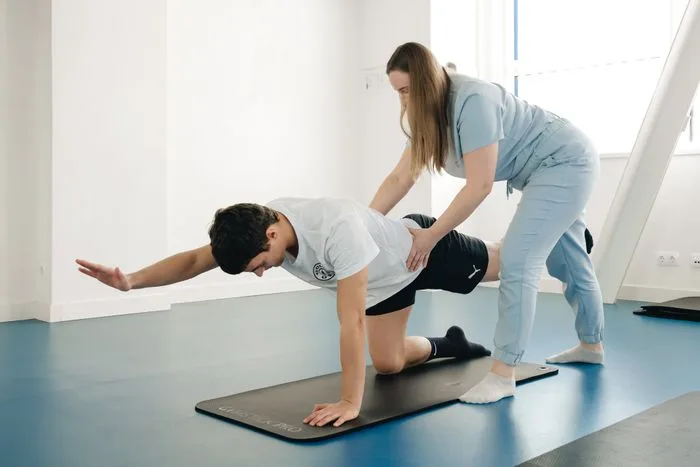
Sports injuries include sudden injuries, such as sprains, muscle strains and ligament tears, and overuse injuries that build over time, such as tendon pain, shin pain and runner’s knee. They can happen at any level, from weekend players to regular athletes.
Each injury has its own healing pattern. Tissue needs the right amount of protection and the right amount of load at each stage. Too little loading can leave it weak, and too much can set it back.
The goal is not simply to settle pain but to restore strength, movement and control, and to understand why the injury happened so it is less likely to return.
We start by asking exactly what happened, when, and what you can and cannot do now. We also ask about your sport, training load and previous injuries. Then we examine the injured area and the joints and muscles above and below it.
Rehabilitation moves through stages: protect and settle, restore movement, rebuild strength, then return to sport. We guide you through each with clear checkpoints.
Guidance on protecting the injury, controlling swelling and staying gently active so you do not lose fitness unnecessarily.
Soft-tissue and joint techniques to ease pain and restore movement, within your comfort.
Graded exercise to rebuild strength, power and endurance in the injured area and the chain around it.
If assessment shows fascial restrictions are contributing to recurring strains or tightness, it may be used as one part of your plan.
Read about this techniqueImproving how you run, jump, land, throw or lift so the injured tissue is not overloaded again.
A structured plan with markers to progress, so that you return when your body is ready and not just when the pain stops.
Physiotherapy suits recreational and regular athletes with sprains, strains, tendon pain, joint injuries and overuse problems, as well as anyone returning to exercise after time off. We make no promises of cure or of a return date, and we will tell you if you need a scan or a doctor’s review first.
A short period of protection helps in the early stage, but early, gentle movement usually helps recovery. We will tell you what is safe for your injury.
It depends on what was injured, how severe it was and how you respond to loading. We cannot give a fixed date, but we use clear checkpoints so you return when you are ready.
Not always. Many sprains and strains can be diagnosed on examination. We will advise if a scan would change your care.
Mild, short-lived discomfort during exercise can be acceptable, but sharp or lingering pain is not. We explain what to watch for and how to adjust.
Building strength, increasing training gradually, warming up properly, allowing recovery and fixing movement faults all help. We tailor advice to your sport.
Yes, if you wish. Sharing the plan helps keep your training and rehab in line.
Often it can. Lingering stiffness, weakness or poor movement control after earlier injuries may be contributing, and assessment can pick this up.
Your physiotherapist
Dr. Akshay Bandekar is the founder of The Posture Perfect Physiotherapy Clinic.
Qualifications: BPTh, MIAP, COMT
Advanced training: Visceral Manipulation (USA), Fascial Manipulation (Italy), Craniosacral Therapy (USA)
Meet the teamBook an assessment at our Opera House clinic and we will plan your care together.
This website provides general information, not a diagnosis or personal medical advice. A qualified healthcare professional should assess your symptoms and advise on suitable care. Seek urgent medical attention for sudden weakness, loss of bladder or bowel control, chest pain, or other severe new symptoms.
From our journal
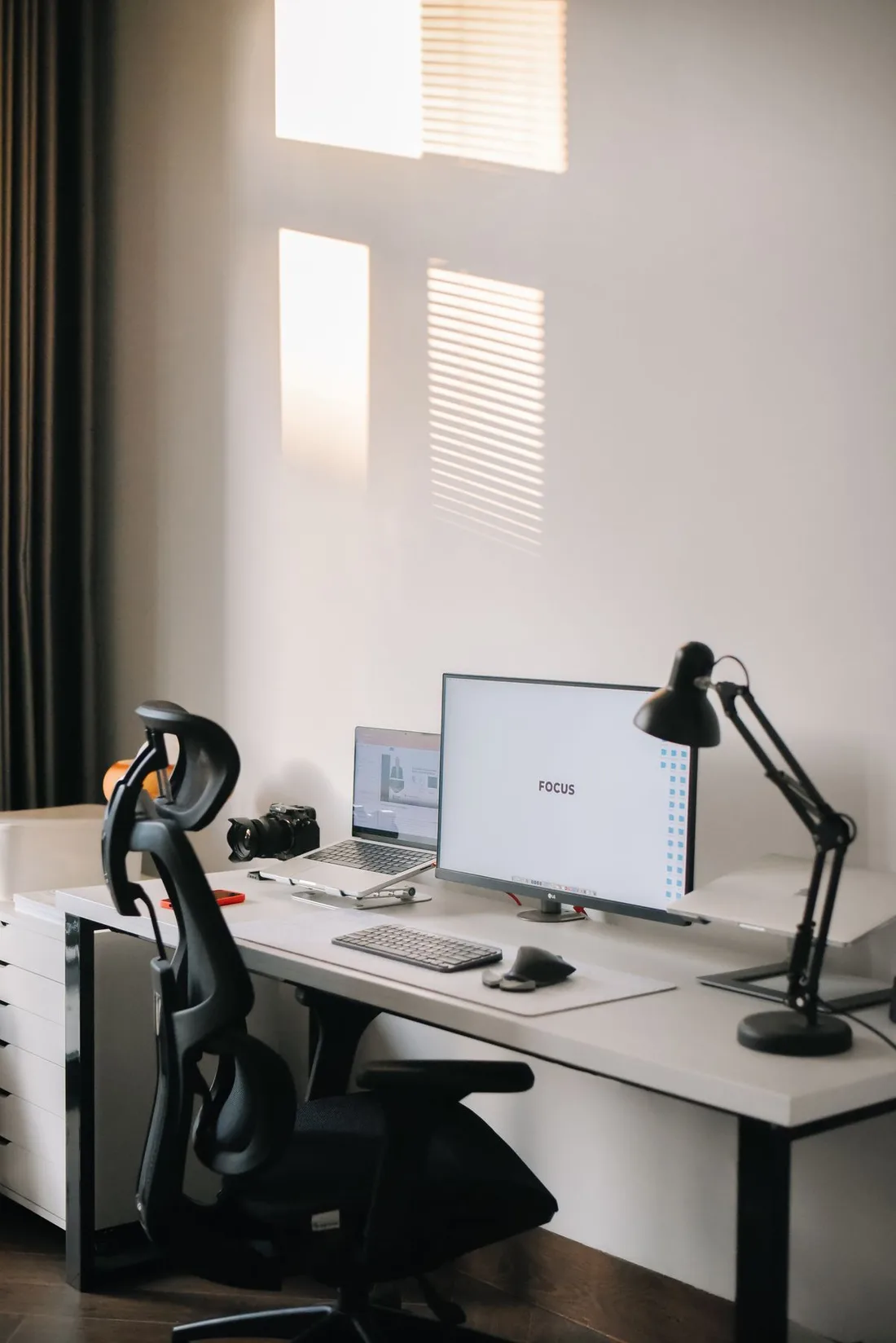 Posture
Long hours at a desk do not have to mean a sore neck and tight back. These five everyday habits are the ones we see most, and each has a simple fix.
Read more: 5 desk habits that are hurting your posture Back Pain
Most back pain settles on its own, but not all of it should be left to. Here is how to tell what can wait, what to get checked, and what needs urgent care.
Read more: When should you see a physio for back pain? Neck & Shoulders
Four gentle stretches you can do at your desk in a few minutes to ease a tight neck and shoulders, with simple pointers on how to do them comfortably.
Read more: Simple stretches for stiff neck and shoulders