
5 desk habits that are hurting your posture
Long hours at a desk do not have to mean a sore neck and tight back. These five everyday habits are the ones we see most, and each has a simple fix.
Read more: 5 desk habits that are hurting your postureBones, joints & muscles
Knee pain can make stairs, walking and sitting for long feel like a chore. At our Opera House clinic we look at how your knee, hip and foot work together, then plan care that eases pain and builds strength for the activities you care about.
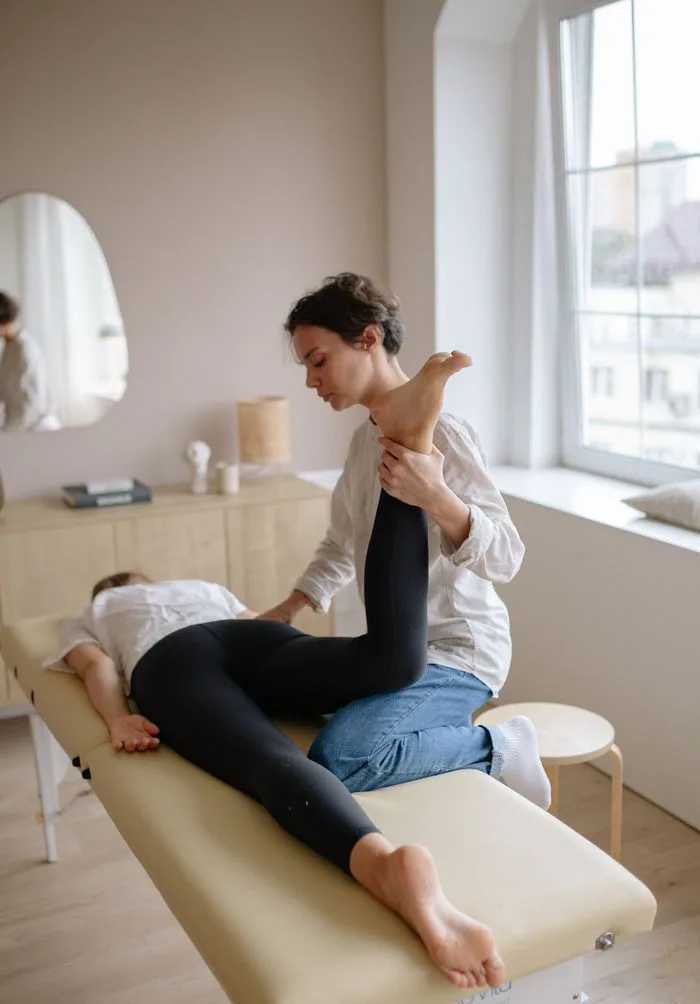
The knee is a hinge-like joint that carries a great deal of load. Pain may come from the kneecap, the cartilage, the ligaments, the tendons or the joint lining. Sometimes it starts in the hip or lower back and is felt in the knee.
Common patterns include pain around or behind the kneecap when climbing stairs, pain on the inner or outer side after a twist, aching and stiffness linked with wear in the joint, and swelling after an injury.
The knee is strongly influenced by the muscles around the hip, thigh and calf. That is why strengthening and movement retraining are central to most plans.
We start with your story: how the pain began, whether there was an injury, what aggravates it, and any swelling, locking or giving way. Then we examine the knee, hip, ankle and foot.
Most knee problems respond to well-directed exercise and load management. We tailor the plan to the cause and to your goals.
Adjusting the activities that irritate the knee for now, while staying active, so it can settle without losing strength.
Progressive exercises that improve how the knee is supported and reduce stress on painful tissues.
Joint mobilisation and soft-tissue work for the knee, hip and surrounding muscles, within your comfort.
If assessment shows fascial restrictions around the thigh, hip or calf are loading the knee, it may be used as part of your plan.
Read about this techniqueGuidance on how you walk, run, squat and step, and on shoes or supports where relevant.
A staged progression back to running, sport, gym or stairs, with clear checkpoints.
Physiotherapy suits people with kneecap pain, overuse problems, wear-related stiffness, ligament sprains and recovery after injury, once serious injury has been ruled out. We make no promises of cure, and we will tell you if you need scans, a doctor’s review or surgery to be discussed.
A short period of relative rest can help in the early stage after an injury, but long rest weakens the muscles. We will advise what to avoid and what to keep doing.
No. Overuse, kneecap problems, tendon irritation and ligament strains are common too. Assessment tells us which pattern you have.
Not always. Many knee problems can be managed without imaging, and scan changes are common in people without pain. We advise a scan when the findings suggest it would change your care.
Exercises are chosen and graded to suit your knee. Some mild discomfort may occur, and we explain what is acceptable and what is not.
Often yes, with changes. We will tell you how to adjust your training and when to build back up.
Some people find them helpful for confidence or symptoms in particular activities, but they do not replace strength. We can advise whether one may suit you.
Most knee problems improve without surgery. If your findings suggest a structural problem that needs a surgeon’s opinion, we will explain and refer you.
Your physiotherapist
Dr. Akshay Bandekar is the founder of The Posture Perfect Physiotherapy Clinic.
Qualifications: BPTh, MIAP, COMT
Advanced training: Visceral Manipulation (USA), Fascial Manipulation (Italy), Craniosacral Therapy (USA)
Meet the teamBook an assessment at our Opera House clinic and we will plan your care together.
This website provides general information, not a diagnosis or personal medical advice. A qualified healthcare professional should assess your symptoms and advise on suitable care. Seek urgent medical attention for sudden weakness, loss of bladder or bowel control, chest pain, or other severe new symptoms.
From our journal
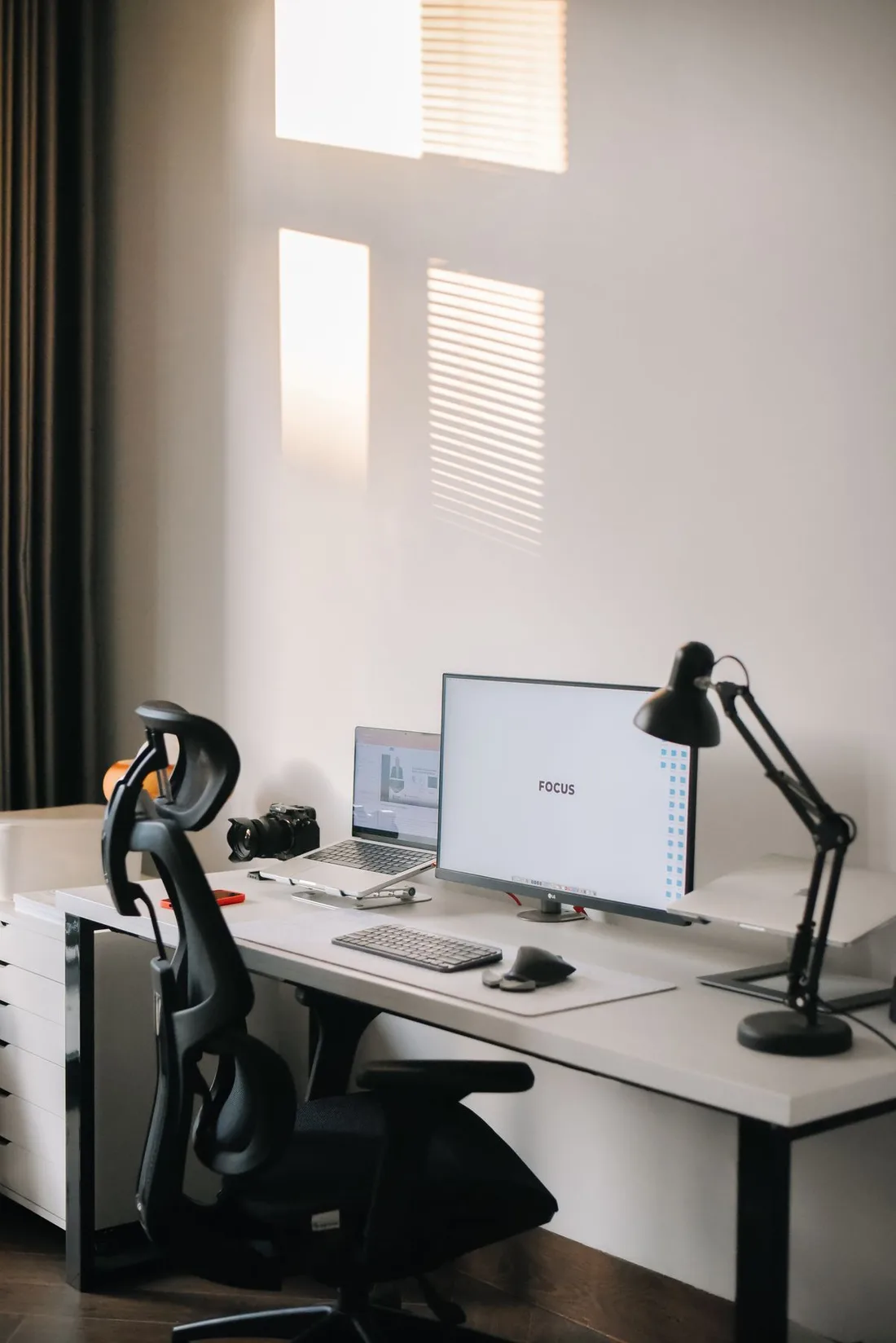 Posture
Long hours at a desk do not have to mean a sore neck and tight back. These five everyday habits are the ones we see most, and each has a simple fix.
Read more: 5 desk habits that are hurting your posture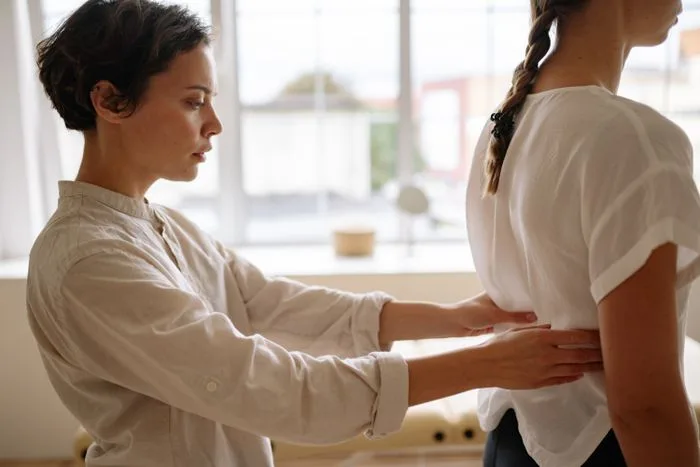 Back Pain
Most back pain settles on its own, but not all of it should be left to. Here is how to tell what can wait, what to get checked, and what needs urgent care.
Read more: When should you see a physio for back pain?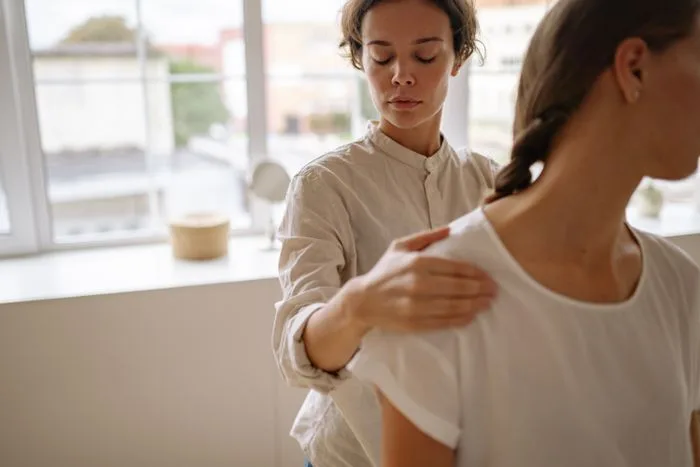 Neck & Shoulders
Four gentle stretches you can do at your desk in a few minutes to ease a tight neck and shoulders, with simple pointers on how to do them comfortably.
Read more: Simple stretches for stiff neck and shoulders