
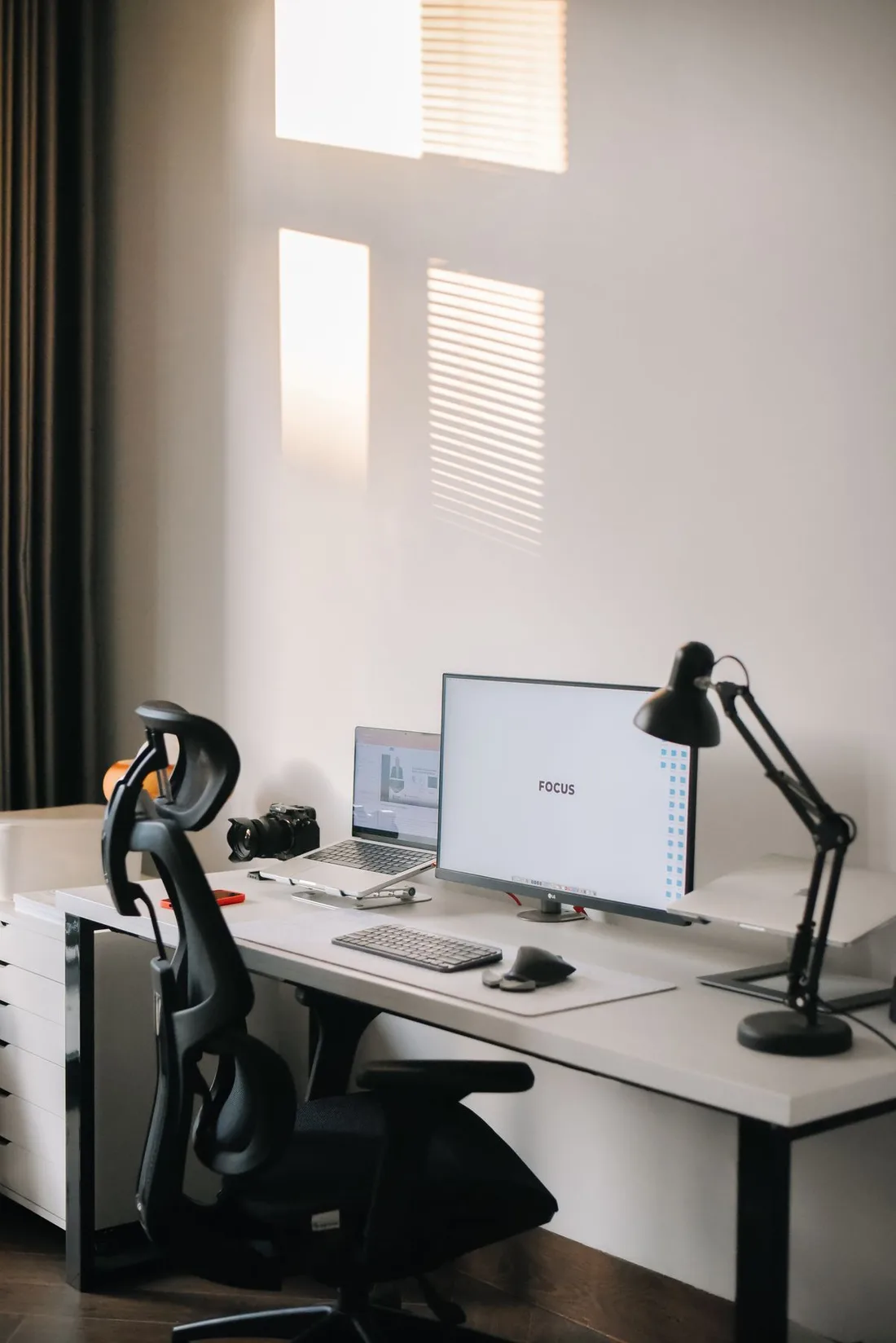
5 desk habits that are hurting your posture
Long hours at a desk do not have to mean a sore neck and tight back. These five everyday habits are the ones we see most, and each has a simple fix.
Read more: 5 desk habits that are hurting your postureNerves, balance & movement
Vertigo is the false sense that you or the room is spinning, and it can make everyday life feel unsafe. Physiotherapy can help with certain types, such as BPPV, once an assessment shows it is suitable, and we will tell you clearly when you need a doctor first.

Vertigo is a symptom, not a diagnosis. It usually comes from the balance system in the inner ear or the brain, and it can feel like spinning, tilting or being pulled to one side. It is different from simply feeling faint or light-headed.
The most common inner-ear cause is benign paroxysmal positional vertigo, or BPPV. Tiny crystals in the inner ear move out of place, so turning in bed or looking up can set off a short, intense spell of spinning. Other causes include inner-ear infections or inflammation, migraine-related dizziness, and, less often, problems in the brain.
Because the causes differ so much, assessment comes first. Physiotherapy works well for some types, such as BPPV and certain balance problems, and not for others, which need medical care.
We begin by asking exactly what you feel, what triggers it and how long it lasts, along with your medical history and medicines. We also ask about warning signs. Then we test how your eyes, head, neck and balance respond.
What we do depends on what the assessment finds. Not every spell of dizziness is suitable for physiotherapy, and we say so honestly.
If testing confirms BPPV, specific head and body movements (such as the Epley manoeuvre) are used to move the crystals back to where they belong.
Graded eye, head and balance exercises that help the brain adapt when the balance system is not working well.
Practice standing, turning and walking safely, with progressions as your confidence improves.
If stiffness or strain in the upper neck is adding to your symptoms, we address it with gentle hands-on therapy and movement.
Some people find a very light-touch approach helpful alongside the main plan. It is only considered after assessment and does not replace other care.
Read about this techniquePractical advice on avoiding falls, getting out of bed safely, and when to ask for help.
Physiotherapy suits people whose dizziness is triggered by head movements, who feel unsteady, or who have been told they may have BPPV or a vestibular problem. Vertigo can also have causes that need a doctor, so if you have not yet had a medical check, we usually recommend one. We make no promises of cure.
It stands for benign paroxysmal positional vertigo. Small crystals in the inner ear move into the wrong place, so certain head positions bring on short spells of spinning. It is common, and it is one of the types that responds well to positional manoeuvres.
We move your head into specific positions and watch your eyes for a typical pattern of movement. This test is done gently, and we explain it first.
It is widely used and generally safe when done after proper assessment. It is not suitable for everyone, which is why we test first and check for warning signs.
BPPV can recur. We teach you what to do if it does, and when to come back or see a doctor.
In some people, upper-neck stiffness or strain adds to unsteadiness, and treating it can help. It is a less common cause, and we always rule out other causes first.
If your dizziness is new, severe, comes with other symptoms or has not been checked, a medical review is wise. We will also tell you if we think you need one.
If you can get sudden spells of spinning, driving can be unsafe. Please discuss it with your doctor and avoid driving until the cause is clear.
Your physiotherapist
Dr. Akshay Bandekar is the founder of The Posture Perfect Physiotherapy Clinic.
Qualifications: BPTh, MIAP, COMT
Advanced training: Visceral Manipulation (USA), Fascial Manipulation (Italy), Craniosacral Therapy (USA)
Meet the teamBook an assessment at our Opera House clinic and we will plan your care together.
This website provides general information, not a diagnosis or personal medical advice. A qualified healthcare professional should assess your symptoms and advise on suitable care. Seek urgent medical attention for sudden weakness, loss of bladder or bowel control, chest pain, or other severe new symptoms.
From our journal
 Posture
Long hours at a desk do not have to mean a sore neck and tight back. These five everyday habits are the ones we see most, and each has a simple fix.
Read more: 5 desk habits that are hurting your posture Back Pain
Most back pain settles on its own, but not all of it should be left to. Here is how to tell what can wait, what to get checked, and what needs urgent care.
Read more: When should you see a physio for back pain? Neck & Shoulders
Four gentle stretches you can do at your desk in a few minutes to ease a tight neck and shoulders, with simple pointers on how to do them comfortably.
Read more: Simple stretches for stiff neck and shoulders