
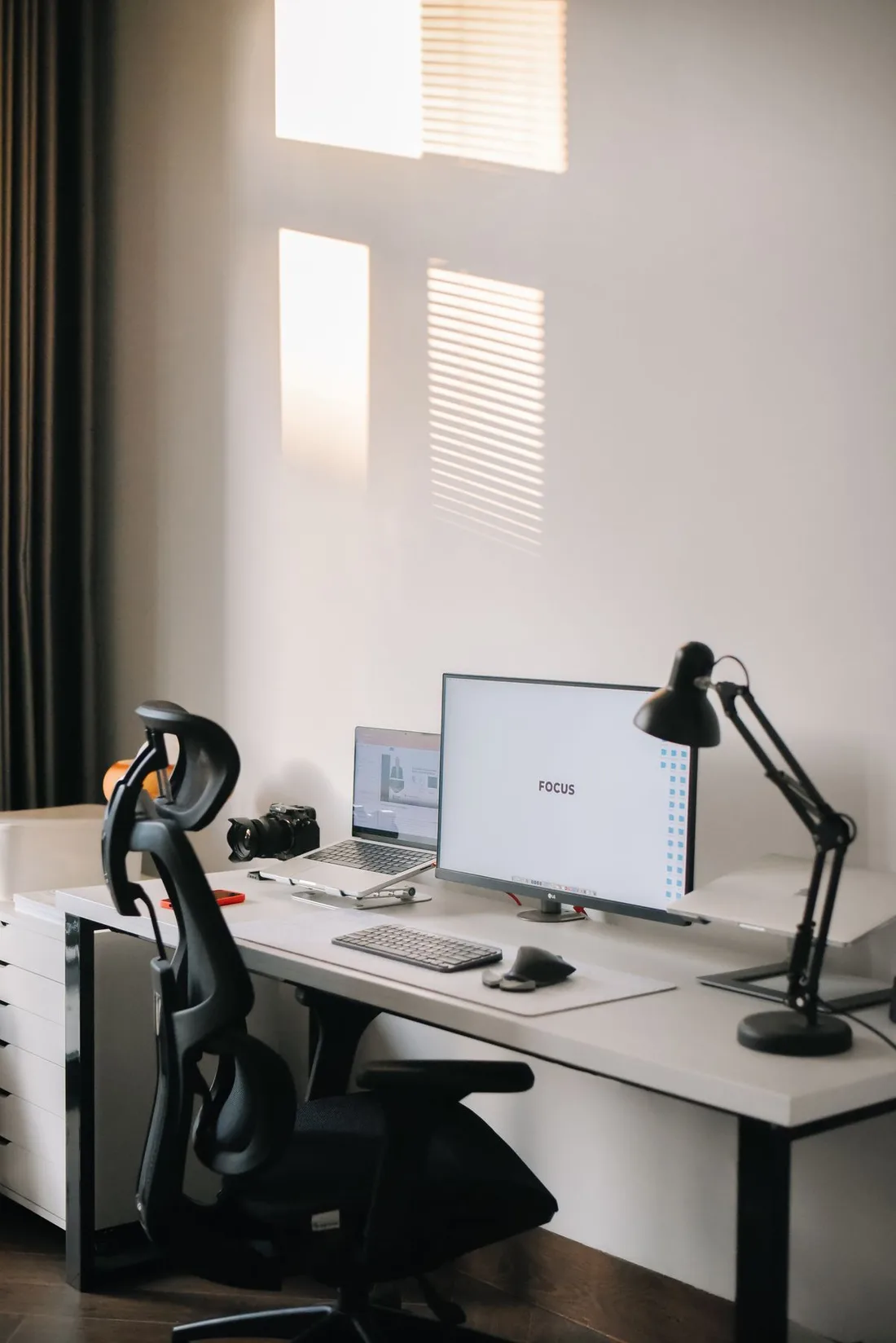
5 desk habits that are hurting your posture
Long hours at a desk do not have to mean a sore neck and tight back. These five everyday habits are the ones we see most, and each has a simple fix.
Read more: 5 desk habits that are hurting your postureBones, joints & muscles
Cervical spondylosis is age-related wear in the joints and discs of the neck, which can bring stiffness, aching and sometimes arm symptoms. At our Opera House clinic we assess how your neck moves and plan gentle, practical care around your daily routine.

Cervical spondylosis describes the gradual changes that develop in the neck over the years: discs lose some of their height and the small joints between the vertebrae can become stiffer. These changes are very common and are often seen on scans in people who have no pain at all.
For some people the changes irritate the surrounding muscles, joints or nerves. That is when stiffness, aching or tingling appear. The scan alone does not tell us how much trouble the neck is causing, so we pay close attention to how you move and what you feel.
The aim of physiotherapy is not to reverse these changes. It is to ease symptoms, improve how the neck and upper back move, and help you stay active with confidence.
We start by listening to your story: where the symptoms are, what eases or aggravates them, how your sleep and work are affected, and whether you have had scans or earlier treatment. Then we examine your neck, shoulders and upper back.
Most people do best with a mix of hands-on work and exercise, adjusted as the neck settles. We explain each step so you know why it is being done.
Joint mobilisation and soft-tissue techniques for the neck and upper back, always kept within your comfort.
Simple, controlled neck and shoulder movements to keep the joints moving and reduce stiffness.
Gradual strengthening so the neck is better supported during long days at a desk or on a screen.
If assessment shows tight fascia in the neck, shoulder or upper back is adding to your symptoms, we may include Fascial Manipulation in your plan.
Read about this techniquePractical changes to screen height, sitting habits and sleeping position that you can start using straight away.
Advice on which activities to keep, how to pace them, and when to take movement breaks.
Physiotherapy suits people with neck stiffness or aching, with or without arm symptoms, who want to understand their neck and keep moving well. It is also useful if you have been told you have cervical spondylosis on a scan and are unsure what to do next. We make no promises of cure, and we will tell you if you need medical review first.
It is often described that way. The term covers age-related changes in the discs and joints of the neck. These are common and do not always cause symptoms.
Scan changes tend to stay or develop slowly, but symptoms do not follow the scan closely. Many people feel much better without the scan changing. We focus on how your neck functions and feels.
The nerves leaving the neck can become irritated by stiffness or narrowing. Checking sensation, reflexes and strength helps us understand this, and we will tell you if you need to see a doctor.
Usually yes. We look at your workstation and suggest changes and movement breaks so that work is easier on the neck.
Our approach is gentle and graded. Techniques are chosen after assessment and adjusted to your comfort. Please tell us if anything feels too much.
It depends on your symptoms and how you respond. We cannot promise a number up front, but we review progress regularly and tell you honestly how things are going.
Your physiotherapist
Dr. Akshay Bandekar is the founder of The Posture Perfect Physiotherapy Clinic.
Qualifications: BPTh, MIAP, COMT
Advanced training: Visceral Manipulation (USA), Fascial Manipulation (Italy), Craniosacral Therapy (USA)
Meet the teamBook an assessment at our Opera House clinic and we will plan your care together.
This website provides general information, not a diagnosis or personal medical advice. A qualified healthcare professional should assess your symptoms and advise on suitable care. Seek urgent medical attention for sudden weakness, loss of bladder or bowel control, chest pain, or other severe new symptoms.
From our journal
 Posture
Long hours at a desk do not have to mean a sore neck and tight back. These five everyday habits are the ones we see most, and each has a simple fix.
Read more: 5 desk habits that are hurting your posture Back Pain
Most back pain settles on its own, but not all of it should be left to. Here is how to tell what can wait, what to get checked, and what needs urgent care.
Read more: When should you see a physio for back pain?Neck & ShouldersFour gentle stretches you can do at your desk in a few minutes to ease a tight neck and shoulders, with simple pointers on how to do them comfortably.
Read more: Simple stretches for stiff neck and shoulders