
5 desk habits that are hurting your posture
Long hours at a desk do not have to mean a sore neck and tight back. These five everyday habits are the ones we see most, and each has a simple fix.
Read more: 5 desk habits that are hurting your postureBones, joints & muscles
Neck pain is very common and usually comes from the muscles, joints and posture rather than anything dangerous. At our Opera House clinic we find out what is driving your pain and build a plan that eases it and helps you move comfortably again.
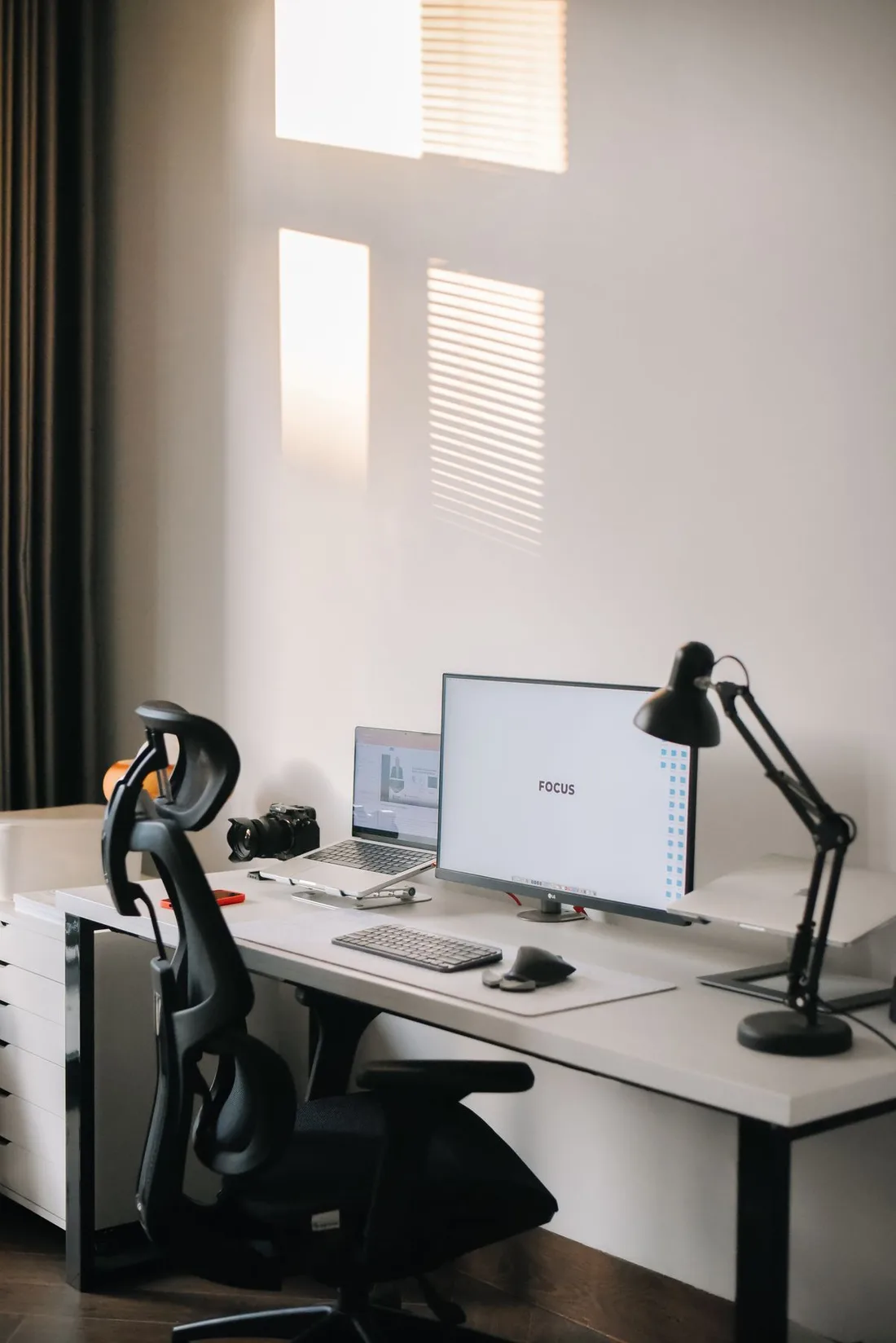
Neck pain is pain or stiffness anywhere in the neck, sometimes spreading into the shoulders, upper back, head or arm. It can start suddenly, for example after sleeping awkwardly, or build up gradually over weeks.
The neck is a very mobile part of the spine that carries the weight of the head all day. Muscles, joints, discs and nerves can all contribute to pain, which is why a careful assessment matters.
Most neck pain settles with the right mix of movement, hands-on care and daily-habit changes. Our job is to work out which of these will help you most.
We start with your story: when the pain began, what you were doing, what eases or increases it, and how it affects work and sleep. Then we examine the neck, shoulders and upper back.
We choose what to do from what we find, rather than using the same routine for everyone, and we review how you respond at each visit.
Joint mobilisation and soft-tissue techniques for the neck, shoulders and upper back, adjusted to your comfort.
Simple movements to restore comfortable turning and bending and to loosen tight muscles.
Progressive exercises so the neck is supported better through long days of sitting and screen work.
If assessment points to fascial tightness in the neck or shoulder girdle, we may use Fascial Manipulation as part of your plan.
Read about this techniquePractical changes to screen position, chair, phone habits and sleeping position that you can start right away.
Advice on heat, movement breaks and how to stay active while the neck settles.
Physiotherapy suits people with neck pain from posture, strain, stiffness or recurring tension, including those with desk-based jobs. If your pain is linked with arm symptoms we assess that too. We make no promises of cure, and we will tell you if you should see a doctor first.
Most neck pain builds up from sustained postures, tension and gradual strain rather than a single injury. Long hours at a screen and poor sleep positions are very common contributors.
Usually not. Most neck pain comes from the muscles and joints and improves with the right care. We check for warning signs at every assessment, and we will tell you clearly if you need to see a doctor.
Yes. Some headaches start in the neck joints and muscles. Assessment helps us tell whether your headaches are neck-related, and we advise you to see a doctor if they seem to be something else.
Collars are rarely needed and long-term use can leave the neck weaker. We would usually advise gentle movement instead, unless a doctor has prescribed one.
It may feel good briefly but it does not fix the cause. We prefer controlled techniques and exercises chosen after assessment.
Holding your head forward and down for long spells loads the neck muscles. Raising the phone closer to eye level and taking short movement breaks can help. We will show you what suits you.
If neck pain is not easing after a few days, keeps returning or limits your work and sleep, an assessment is a good idea. Do not wait if any red flag above applies.
Your physiotherapist
Dr. Akshay Bandekar is the founder of The Posture Perfect Physiotherapy Clinic.
Qualifications: BPTh, MIAP, COMT
Advanced training: Visceral Manipulation (USA), Fascial Manipulation (Italy), Craniosacral Therapy (USA)
Meet the teamBook an assessment at our Opera House clinic and we will plan your care together.
This website provides general information, not a diagnosis or personal medical advice. A qualified healthcare professional should assess your symptoms and advise on suitable care. Seek urgent medical attention for sudden weakness, loss of bladder or bowel control, chest pain, or other severe new symptoms.
From our journal
PostureLong hours at a desk do not have to mean a sore neck and tight back. These five everyday habits are the ones we see most, and each has a simple fix.
Read more: 5 desk habits that are hurting your posture Back Pain
Most back pain settles on its own, but not all of it should be left to. Here is how to tell what can wait, what to get checked, and what needs urgent care.
Read more: When should you see a physio for back pain? Neck & Shoulders
Four gentle stretches you can do at your desk in a few minutes to ease a tight neck and shoulders, with simple pointers on how to do them comfortably.
Read more: Simple stretches for stiff neck and shoulders