
5 desk habits that are hurting your posture
Long hours at a desk do not have to mean a sore neck and tight back. These five everyday habits are the ones we see most, and each has a simple fix.
Read more: 5 desk habits that are hurting your postureBones, joints & muscles
Heel pain often shows up as a sharp, stabbing ache with the first steps of the morning or after sitting. At our Opera House clinic we work out whether it comes from the sole of the foot, the Achilles tendon or elsewhere, and plan care to settle it and keep you walking comfortably.
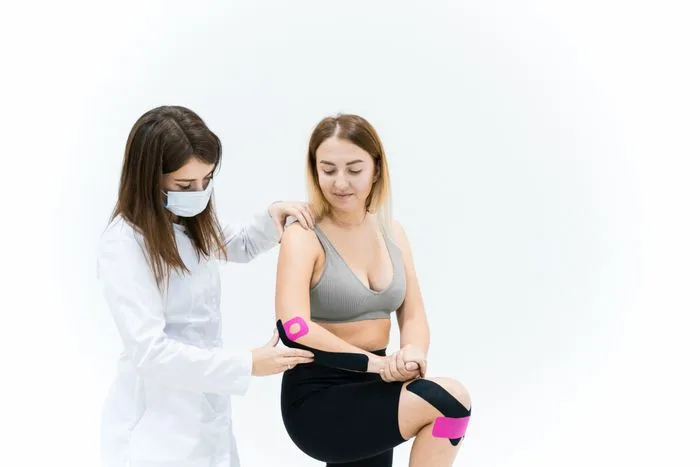
Most heel pain is felt either under the heel, where the thick band of tissue called the plantar fascia attaches, or at the back of the heel, where the Achilles tendon attaches. These tissues take a great deal of load with every step.
When the load is more than the tissue is ready for, it becomes irritated and sensitive. This can follow a rise in walking or running, new footwear, long hours standing, or a change in weight or foot mechanics.
Heel pain responds best to a mix of load management, gradual strengthening and mobility work for the foot and calf. It usually improves slowly, so a clear plan and patience matter.
We ask where exactly the pain is, when it is worst, how long you have had it and what your daily routine involves. We also look at your shoes. Then we examine your foot, ankle, calf and the way you walk.
Plans for heel pain are practical and gradual. We aim to calm the tissue and then build its capacity to tolerate load.
Adjusting walking, standing or running so the heel can settle without everything stopping.
Targeted calf, plantar fascia and ankle movements to ease tightness and improve how the foot absorbs load.
Gradual loading of the calf, foot and ankle muscles, which is key for recovery and to reduce the chance of recurrence.
Soft-tissue techniques to the calf and foot and mobilisation of stiff joints, within your comfort.
If assessment shows fascial restrictions along the back of the leg are adding to the strain, it may be used as one part of your plan.
Read about this techniqueGuidance on shoes, cushioning, heel raises or insoles where they would help in the short term.
Physiotherapy suits people with plantar fascia pain, Achilles-related heel pain, or heel pain linked with standing, walking and sport. We make no promises of cure, and heel pain often takes time to settle. We will tell you if you need a doctor’s review or tests.
Overnight the plantar fascia and calf tighten. The first steps load them suddenly, which is why that first step hurts. It tends to ease as you warm up, though it can return later in the day.
A heel spur may appear on an X-ray, but many people with spurs have no pain, and many with pain have no spur. The soft tissue is usually the issue, and that is where we focus.
Supportive shoes with some cushioning and a firm heel tend to help. Avoid walking barefoot on hard floors while it is sore. We will look at your current footwear and advise.
Sometimes a simple cushioned insole or heel raise helps in the short term. We assess your foot posture before suggesting anything, and exercise remains the main part of care.
Often yes, in a modified way. We will tell you what is realistic so you can stay active without prolonging the pain.
The plantar fascia and Achilles tendon have limited blood supply and adapt slowly to load. We cannot promise a timeline, but steady strengthening and sensible activity usually help.
Many people improve with exercise and load management alone. If you are considering other treatments, we can discuss them and work alongside your doctor.
Your physiotherapist
Dr. Akshay Bandekar is the founder of The Posture Perfect Physiotherapy Clinic.
Qualifications: BPTh, MIAP, COMT
Advanced training: Visceral Manipulation (USA), Fascial Manipulation (Italy), Craniosacral Therapy (USA)
Meet the teamBook an assessment at our Opera House clinic and we will plan your care together.
This website provides general information, not a diagnosis or personal medical advice. A qualified healthcare professional should assess your symptoms and advise on suitable care. Seek urgent medical attention for sudden weakness, loss of bladder or bowel control, chest pain, or other severe new symptoms.
From our journal
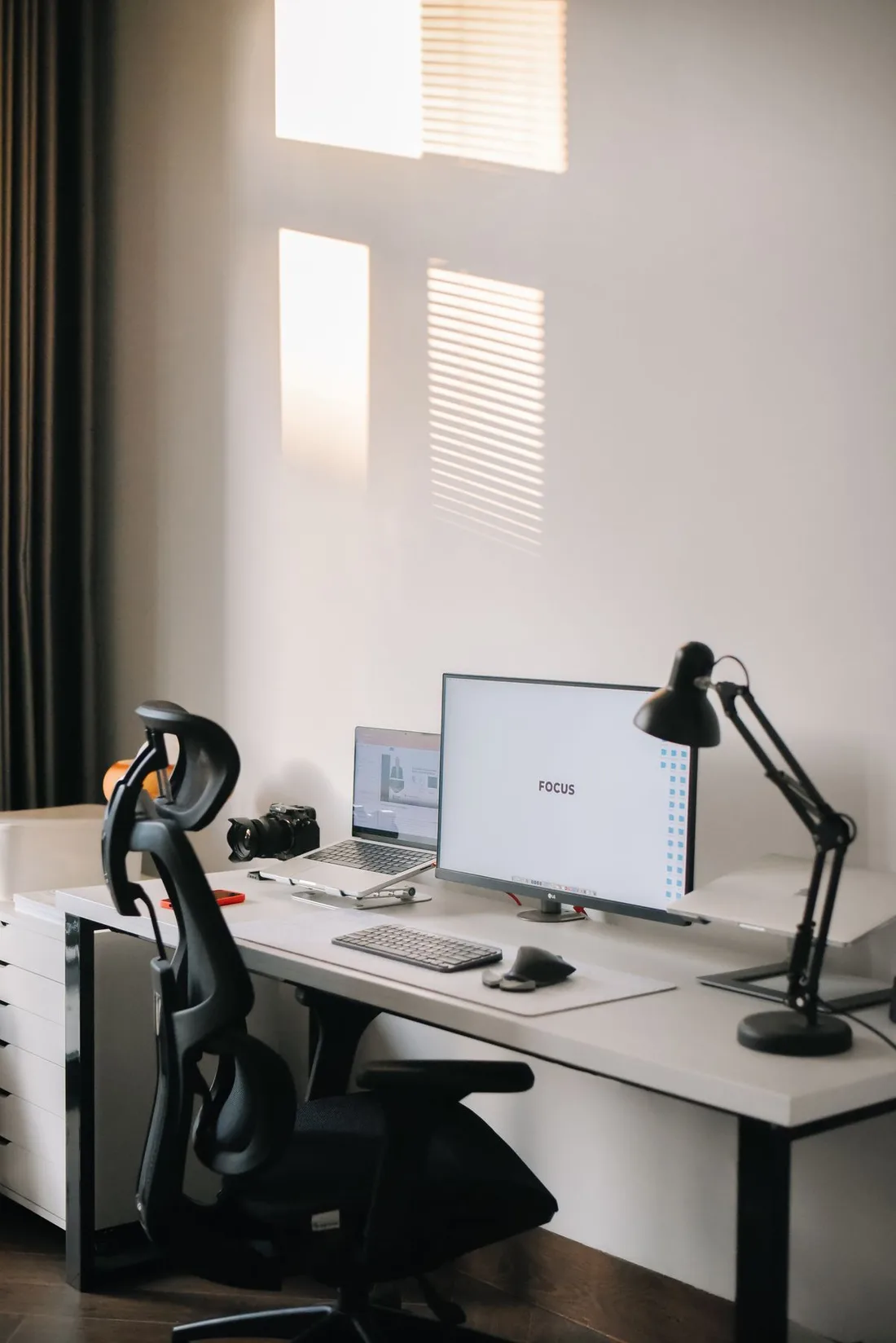 Posture
Long hours at a desk do not have to mean a sore neck and tight back. These five everyday habits are the ones we see most, and each has a simple fix.
Read more: 5 desk habits that are hurting your posture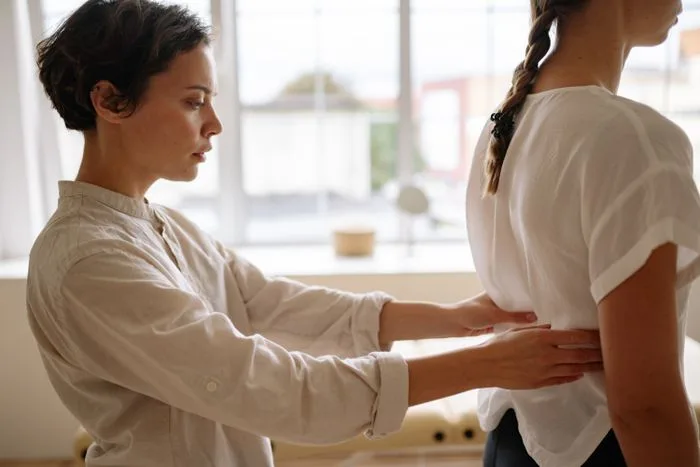 Back Pain
Most back pain settles on its own, but not all of it should be left to. Here is how to tell what can wait, what to get checked, and what needs urgent care.
Read more: When should you see a physio for back pain? Neck & Shoulders
Four gentle stretches you can do at your desk in a few minutes to ease a tight neck and shoulders, with simple pointers on how to do them comfortably.
Read more: Simple stretches for stiff neck and shoulders