
5 desk habits that are hurting your posture
Long hours at a desk do not have to mean a sore neck and tight back. These five everyday habits are the ones we see most, and each has a simple fix.
Read more: 5 desk habits that are hurting your postureBones, joints & muscles
Arthritis can make joints painful and stiff, but staying active and moving well still matters a great deal. At our Opera House clinic we look at which joints are affected and how they limit your day, then plan care to ease symptoms and build strength.

Arthritis is a broad term for conditions that affect the joints. The two most common types are osteoarthritis, linked with wear and changes in the joint, and inflammatory arthritis, such as rheumatoid arthritis, where the immune system affects the joints.
Osteoarthritis commonly affects the knees, hips, hands and spine. Inflammatory arthritis tends to affect several joints, often symmetrically, and usually needs medical treatment from a doctor alongside physiotherapy.
Physiotherapy cannot reverse arthritis. It can help you manage pain, keep joints moving, strengthen supporting muscles and stay as independent as possible.
We start by hearing which joints bother you, how long you have had symptoms, and how they affect your day, sleep and work. We also ask about any diagnosis, medicines and scans. Then we examine the affected joints and how you move overall.
Exercise is one of the best-supported ways to manage arthritis. We tailor it to your joints, your energy and your goals.
A graded programme to strengthen muscles around the joints and keep them moving, adapted to your symptoms.
Gentle joint and soft-tissue techniques to ease stiffness and muscle tension around painful joints.
Practical ways to share the load across the day, protect your joints and keep doing what matters.
If assessment shows fascial restrictions around an affected joint, it may be used as one part of your plan.
Read about this techniqueExercises to improve steadiness and confidence on your feet, and advice on walking aids if appropriate.
Arthritis often needs medical care too. We coordinate with your doctor and tell you when a review would help.
Physiotherapy suits people with osteoarthritis or other long-standing joint pain who want to stay mobile and manage symptoms, and people with a diagnosis of inflammatory arthritis who want to complement medical care. We make no promises of cure, and we will tell you if your symptoms need a doctor’s review.
In most cases yes, and it is usually helpful. Exercise strengthens the muscles that support the joint and can ease pain over time. We choose and progress exercises to suit your joints.
Osteoarthritis relates to changes in the joint over time and often affects weight-bearing joints. Rheumatoid arthritis is an immune condition that causes inflammation in several joints. It needs medical care from a doctor, and we work alongside that.
No. Arthritis is long term. Physiotherapy helps manage pain and stiffness, improves strength and mobility, and supports independence.
Short rests during flares can help, but long rest tends to increase stiffness and weakness. We help you balance rest and activity.
That is a medical decision made with a surgeon. Many people manage well with exercise and other measures. If your findings suggest it should be discussed, we will tell you.
Warmth often eases stiffness and cold can help with swollen or hot joints. We will suggest what suits you.
Yes. Using larger joints for tasks, avoiding prolonged tight gripping, and using adapted tools can reduce strain. We can show you practical options.
Your physiotherapist
Dr. Akshay Bandekar is the founder of The Posture Perfect Physiotherapy Clinic.
Qualifications: BPTh, MIAP, COMT
Advanced training: Visceral Manipulation (USA), Fascial Manipulation (Italy), Craniosacral Therapy (USA)
Meet the teamBook an assessment at our Opera House clinic and we will plan your care together.
This website provides general information, not a diagnosis or personal medical advice. A qualified healthcare professional should assess your symptoms and advise on suitable care. Seek urgent medical attention for sudden weakness, loss of bladder or bowel control, chest pain, or other severe new symptoms.
From our journal
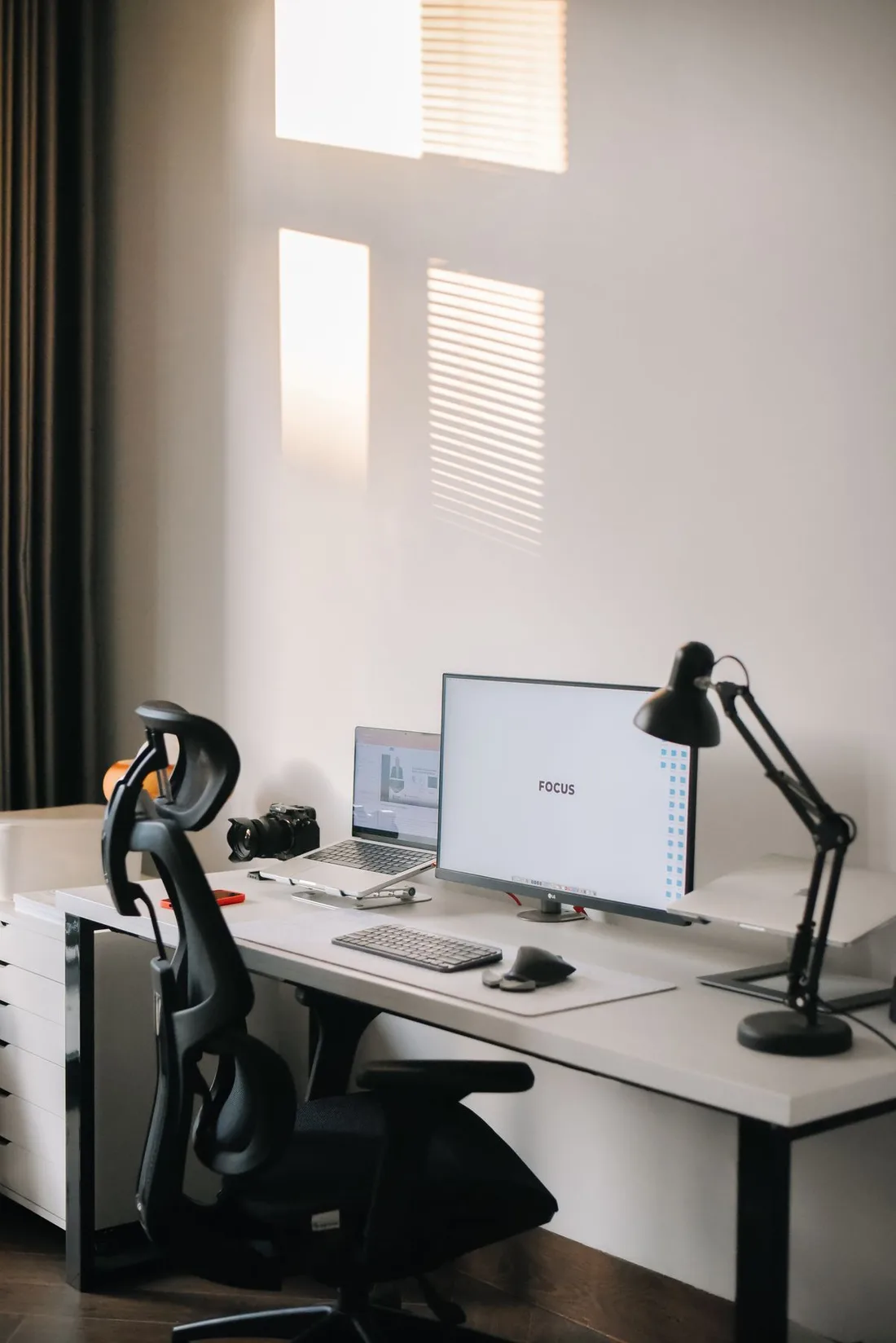 Posture
Long hours at a desk do not have to mean a sore neck and tight back. These five everyday habits are the ones we see most, and each has a simple fix.
Read more: 5 desk habits that are hurting your posture Back Pain
Most back pain settles on its own, but not all of it should be left to. Here is how to tell what can wait, what to get checked, and what needs urgent care.
Read more: When should you see a physio for back pain? Neck & Shoulders
Four gentle stretches you can do at your desk in a few minutes to ease a tight neck and shoulders, with simple pointers on how to do them comfortably.
Read more: Simple stretches for stiff neck and shoulders