
5 desk habits that are hurting your posture
Long hours at a desk do not have to mean a sore neck and tight back. These five everyday habits are the ones we see most, and each has a simple fix.
Read more: 5 desk habits that are hurting your postureBones, joints & muscles
Pain in the thigh can come from the muscles themselves, from the hip or knee, or from a nerve irritated in the lower back. At our Opera House clinic we work out where it is really coming from and plan care to ease it and get you moving freely.
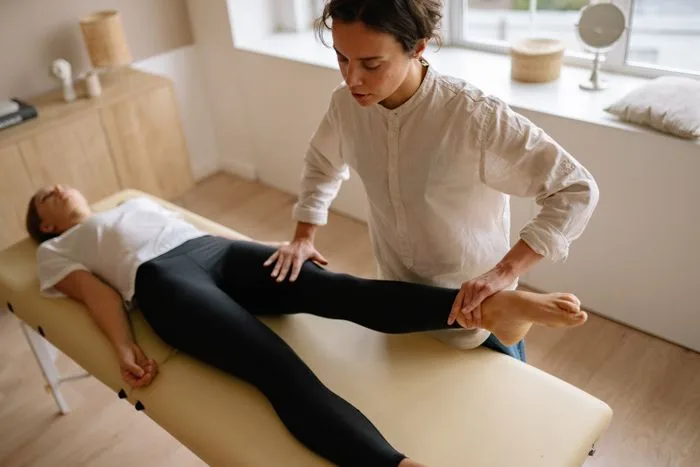
The thigh holds some of the body’s largest muscles: the quadriceps at the front, the hamstrings at the back and the adductors on the inner side. They power walking, climbing stairs, running and standing up from a chair.
Thigh pain may be a muscle strain or overuse problem. It can also be referred from the lower back, hip or knee, or caused by a nerve being irritated or compressed. The location, the pattern and what brings it on all help us find the source.
Because the cause varies so much, an assessment is the starting point rather than a standard exercise sheet.
We ask about how the pain started, what you were doing, and where exactly you feel it. Then we examine the thigh, hip, knee and lower back, since each can cause pain in the thigh.
Our plan follows the cause. A strain needs different care from nerve-related pain.
Reducing the activities that aggravate the thigh for a short time, while keeping gently active so muscles do not weaken.
Soft-tissue and joint techniques for the thigh, hip and lower back, kept within your comfort.
Progressive exercises for the thigh and hip muscles, building strength and flexibility as the tissue heals.
If fascial restrictions in the thigh, hip or back are contributing, it may be used as part of your plan.
Read about this techniqueIf the thigh pain is referred from the lower back or hip, we treat that source directly.
A staged return to running, kicking or gym work, with advice on warming up and increasing load.
Physiotherapy suits people with thigh pain from a muscle strain, overuse, stiffness, or pain linked with the back, hip or knee. We make no promises of cure, and we will tell you if you need a doctor’s opinion or tests first.
A strain usually follows a specific effort, hurts when you use or stretch the muscle, and the area is tender. Pain that travels from the back or comes with tingling suggests a different source. An assessment sorts this out.
In the early days gentle movement is better than aggressive stretching. We will tell you when and how to begin stretching and strengthening safely.
Yes. Irritation of a nerve in the lower back can cause pain, burning or tingling in the thigh. We check your back as part of the assessment.
This can happen when a sensory nerve in the thigh is compressed or irritated. Tight clothing, weight changes or sitting posture can contribute. Assessment helps identify the cause.
Both can ease discomfort for a short time. We advise based on what stage you are at and your symptoms.
It depends on the severity and how the thigh responds to exercise. We cannot give a fixed date, but we guide you through a staged return with clear checkpoints.
Not for most strains. We assess first and advise a scan if the findings suggest a tear, a bone problem or another cause that needs imaging.
Your physiotherapist
Dr. Akshay Bandekar is the founder of The Posture Perfect Physiotherapy Clinic.
Qualifications: BPTh, MIAP, COMT
Advanced training: Visceral Manipulation (USA), Fascial Manipulation (Italy), Craniosacral Therapy (USA)
Meet the teamBook an assessment at our Opera House clinic and we will plan your care together.
This website provides general information, not a diagnosis or personal medical advice. A qualified healthcare professional should assess your symptoms and advise on suitable care. Seek urgent medical attention for sudden weakness, loss of bladder or bowel control, chest pain, or other severe new symptoms.
From our journal
 Posture
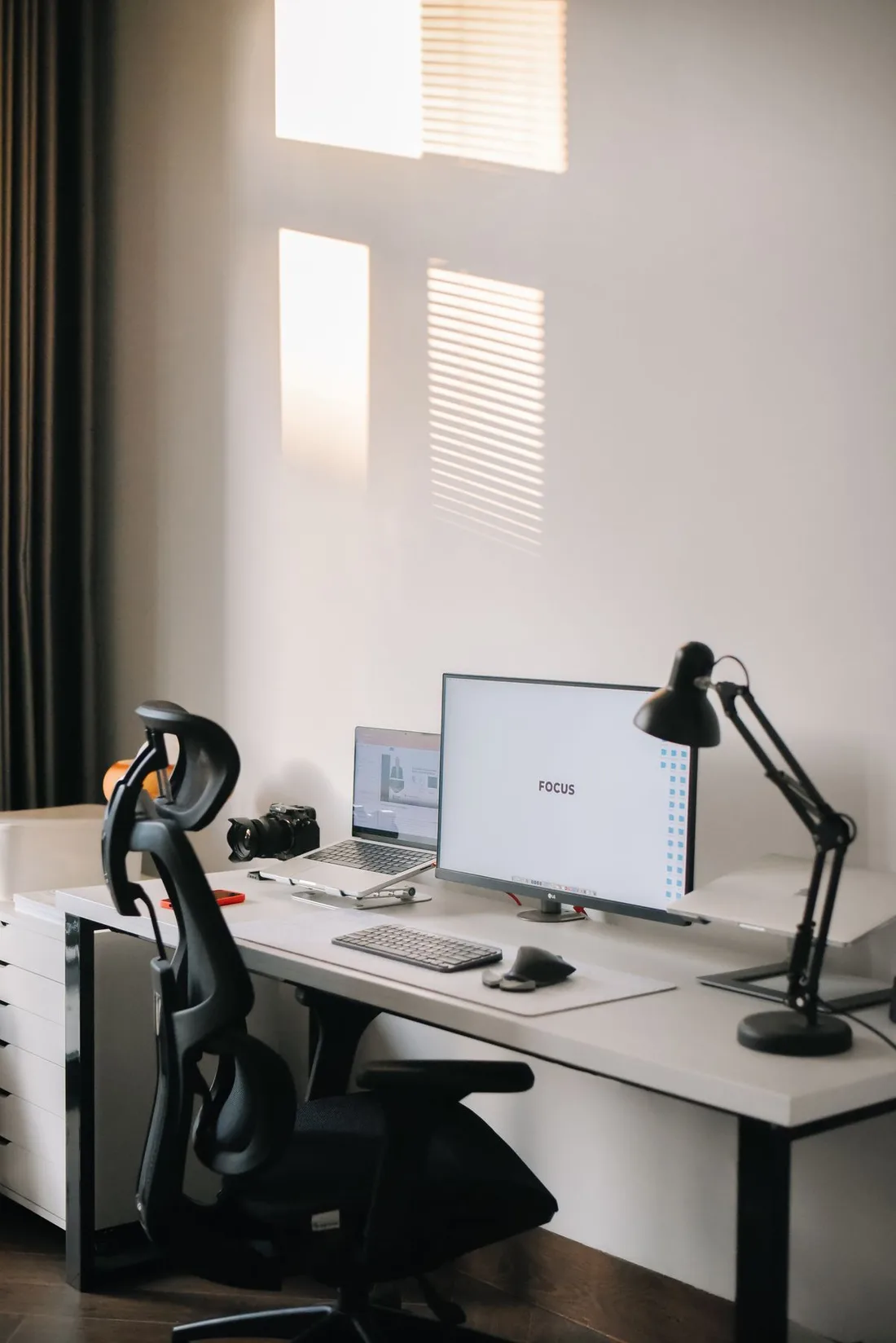
Long hours at a desk do not have to mean a sore neck and tight back. These five everyday habits are the ones we see most, and each has a simple fix.
Read more: 5 desk habits that are hurting your posture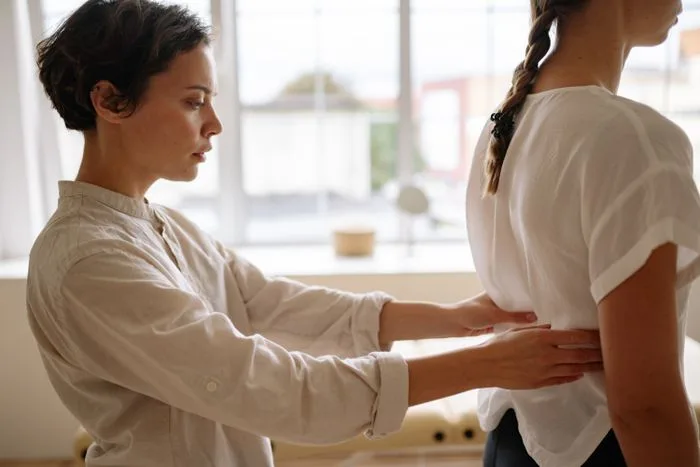 Back Pain
Most back pain settles on its own, but not all of it should be left to. Here is how to tell what can wait, what to get checked, and what needs urgent care.
Read more: When should you see a physio for back pain? Neck & Shoulders
Four gentle stretches you can do at your desk in a few minutes to ease a tight neck and shoulders, with simple pointers on how to do them comfortably.
Read more: Simple stretches for stiff neck and shoulders