
5 desk habits that are hurting your posture
Long hours at a desk do not have to mean a sore neck and tight back. These five everyday habits are the ones we see most, and each has a simple fix.
Read more: 5 desk habits that are hurting your postureDesk workers & professionals
Shoulders that roll forward and an upper back that feels tight and tired are common after years at a desk. At our Opera House clinic we look at what is pulling you forward, then build strength, mobility and habits that let you sit and stand more comfortably.

Rounded shoulders describe a posture where the shoulders sit forward and the upper back curves more than usual. It often goes along with a head that drifts forward and a chest that feels tight.
It is a common pattern, not a disease. Certain muscles, such as those across the chest, become short and tight, while the muscles between the shoulder blades and along the upper back become tired from holding you upright.
Some rounding is normal and does not always cause pain. We focus on it when it comes with tension, tiredness or restricted movement, and on what you can realistically improve.
We ask about your work, your hours and what the tension feels like. Then we look at your shoulders, shoulder blades, upper back and neck, both at rest and while moving.
Treatment combines freeing what is tight with strengthening what is tired, plus changes to the way you work.
Simple, comfortable stretches and positions that ease the pull forward.
Gentle movements for the upper spine and ribs so sitting upright takes less effort.
Graded exercises for the muscles that hold the shoulders in a comfortable position, progressed as you improve.
Soft-tissue and joint techniques for the upper back, shoulders and chest, within your comfort.
If assessment shows fascial restrictions across the chest or upper back, it may be used as part of your plan.
Read about this techniqueArm support, keyboard and mouse position, and short movement breaks, so the improvements carry into your day.
This is for people with rounded shoulders, upper-back tightness or tension that builds with desk work, driving or screen use. We make no promises of cure, and changes in posture take time and consistent effort. We will tell you if your symptoms need a doctor’s attention.
Many people notice improvement in comfort and position with stretching, strengthening and habit changes. The degree of change differs between people, and we focus on comfort and function over a perfect shape.
They can remind you to sit up, but they do not build strength and wearing them for long can leave muscles less active. We prefer exercises and changes to your set-up.
No. Some rounding is normal, and many people have it without pain. It is worth working on when it comes with discomfort, tiredness or restricted movement.
The upper back muscles work to hold the weight of the head and arms over long periods. Staying in one position, together with stress, makes them tire and tighten.
Forcing the shoulders back for long usually tires the muscles and does not last. We teach comfortable positions and build strength so they hold themselves more easily.
Yes. Long drives with arms forward and the head close to the wheel can add to the pattern. We can suggest seat and steering position changes.
It varies. Some people feel easier within a few weeks of regular exercise, while changes in posture take longer. We cannot promise a timeline, but we review progress with you.
Your physiotherapist
Dr. Akshay Bandekar is the founder of The Posture Perfect Physiotherapy Clinic.
Qualifications: BPTh, MIAP, COMT
Advanced training: Visceral Manipulation (USA), Fascial Manipulation (Italy), Craniosacral Therapy (USA)
Meet the teamBook an assessment at our Opera House clinic and we will plan your care together.
This website provides general information, not a diagnosis or personal medical advice. A qualified healthcare professional should assess your symptoms and advise on suitable care. Seek urgent medical attention for sudden weakness, loss of bladder or bowel control, chest pain, or other severe new symptoms.
From our journal
 Posture
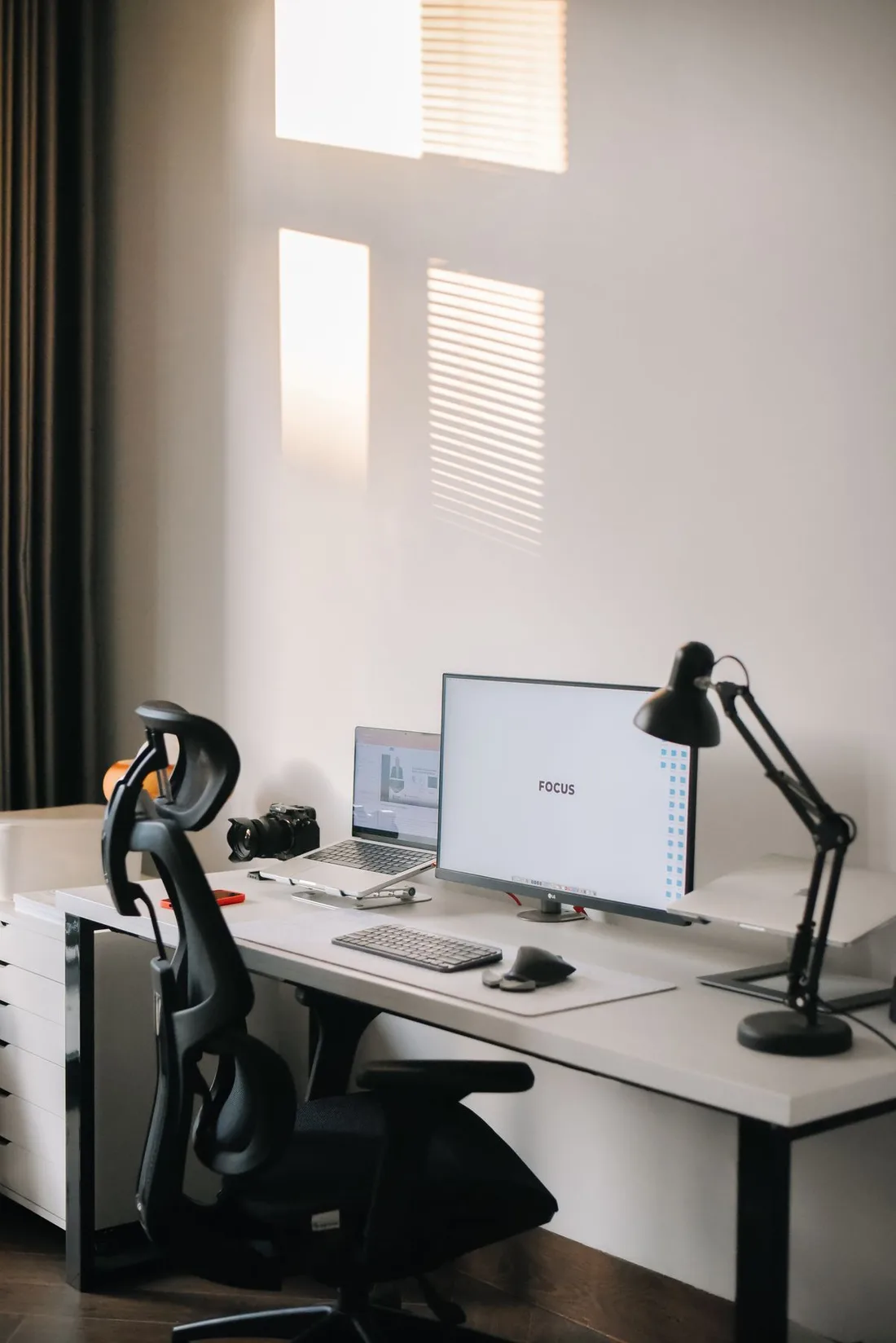
Long hours at a desk do not have to mean a sore neck and tight back. These five everyday habits are the ones we see most, and each has a simple fix.
Read more: 5 desk habits that are hurting your posture Back Pain
Most back pain settles on its own, but not all of it should be left to. Here is how to tell what can wait, what to get checked, and what needs urgent care.
Read more: When should you see a physio for back pain?Neck & ShouldersFour gentle stretches you can do at your desk in a few minutes to ease a tight neck and shoulders, with simple pointers on how to do them comfortably.
Read more: Simple stretches for stiff neck and shoulders