
5 desk habits that are hurting your posture
Long hours at a desk do not have to mean a sore neck and tight back. These five everyday habits are the ones we see most, and each has a simple fix.
Read more: 5 desk habits that are hurting your postureBones, joints & muscles
Back pain is one of the most common reasons people visit a physiotherapist, and in most cases it can be helped without anything alarming being wrong. At our Opera House clinic we look at how your back moves and loads, then plan care that gets you moving with more confidence.

Back pain can be felt in the lower back, the middle of the back or between the shoulder blades. It may be sharp, dull, tight or burning, and may come on suddenly or build up over time.
The back is made of bones, discs, joints, muscles and ligaments that work together. Pain often comes from irritated joints and muscles that have become stiff or overloaded, rather than from damage. Scans can show changes that are common in people without pain, so we treat the person in front of us and not only the report.
Staying gently active is usually better for the back than resting for long. A good plan balances relief now with building strength for later.
We begin by listening to your story: where the pain is, how it started, what helps or hurts, and what you need to be able to do. We also ask about general health and any warning signs. Then we examine your back, hips and legs.
There is no single exercise or technique that works for every back. We start with what you can do now and build from there.
Joint mobilisation and soft-tissue work to ease stiffness and muscle tension in the back and hips, within your comfort.
Gentle, graded movements to help the spine move freely and to settle pain-guarding.
Progressive strengthening so your back is better prepared for sitting, lifting and long days.
If assessment shows fascial restrictions in the back, hips or thighs are adding to your pain, we may use it as part of your plan.
Read about this techniqueIn some cases the assessment suggests tension in the abdominal region may be linked to back stiffness. Visceral Manipulation can then be considered alongside the rest of your care.
Read about this techniquePractical guidance for daily life so you protect your back and stay active.
Physiotherapy suits people with lower, mid or upper back pain from strain, stiffness, posture or recurring episodes. If your pain spreads into the leg we assess nerve involvement too. We make no promises of cure, and we will tell you if you need a doctor or tests first.
Short periods of rest can help when pain is severe, but staying gently active generally helps the back recover better. We will show you what is comfortable and safe for you.
Often not. Most back pain does not need imaging, and scan findings do not always match symptoms. We assess first and tell you if a scan is likely to change what we do.
Sitting for long loads the lower back and tightens the hips. Changing position, adding movement breaks and setting up your chair and screen can make a real difference. We will go through your routine with you.
Usually yes, as long as the exercises are suited to your back and increased gradually. A small amount of discomfort can be normal, and we will explain what to watch for.
Sometimes pain in the back comes from elsewhere, such as the kidneys or abdominal organs. That is why we ask about your general health and warning signs, and refer you to a doctor if something does not fit.
Back pain can recur, but building strength, keeping active and managing long periods of sitting reduces the chance. We give you a plan to follow after treatment.
Your physiotherapist
Dr. Akshay Bandekar is the founder of The Posture Perfect Physiotherapy Clinic.
Qualifications: BPTh, MIAP, COMT
Advanced training: Visceral Manipulation (USA), Fascial Manipulation (Italy), Craniosacral Therapy (USA)
Meet the teamBook an assessment at our Opera House clinic and we will plan your care together.
This website provides general information, not a diagnosis or personal medical advice. A qualified healthcare professional should assess your symptoms and advise on suitable care. Seek urgent medical attention for sudden weakness, loss of bladder or bowel control, chest pain, or other severe new symptoms.
From our journal
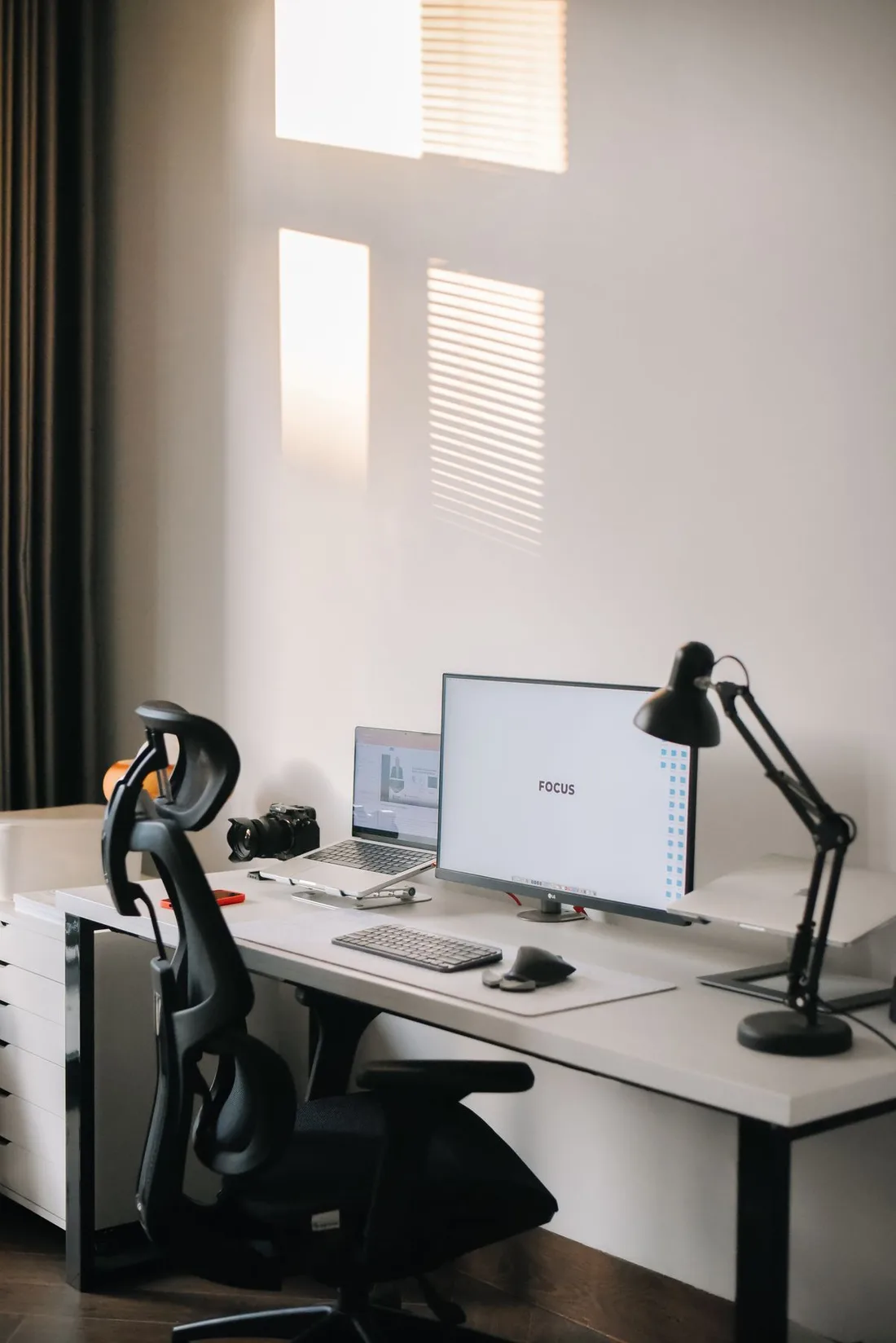 Posture
Long hours at a desk do not have to mean a sore neck and tight back. These five everyday habits are the ones we see most, and each has a simple fix.
Read more: 5 desk habits that are hurting your postureBack PainMost back pain settles on its own, but not all of it should be left to. Here is how to tell what can wait, what to get checked, and what needs urgent care.
Read more: When should you see a physio for back pain? Neck & Shoulders
Four gentle stretches you can do at your desk in a few minutes to ease a tight neck and shoulders, with simple pointers on how to do them comfortably.
Read more: Simple stretches for stiff neck and shoulders