
5 desk habits that are hurting your posture
Long hours at a desk do not have to mean a sore neck and tight back. These five everyday habits are the ones we see most, and each has a simple fix.
Read more: 5 desk habits that are hurting your postureBones, joints & muscles
A disc prolapse, often called a slip disc, can cause back or neck pain and sometimes pain, tingling or weakness travelling into a leg or arm. At our Opera House clinic we assess carefully, explain what is going on, and build a plan that respects how sensitive the back is right now.
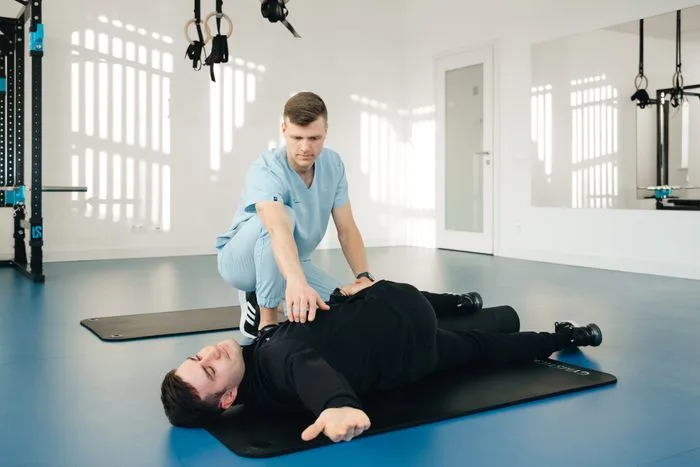
Between the bones of your spine sit soft, cushion-like discs. A disc prolapse happens when part of the inner material of a disc bulges out through its outer layer. The disc does not actually slip. The name is common but not accurate.
Most prolapses happen in the lower back, and some in the neck. If the bulge presses on or irritates a nearby nerve, symptoms can spread into the buttock and leg (often called sciatica) or into the arm.
Many people with a disc prolapse improve with sensible activity and guided exercise, and not every disc seen on a scan is the source of the pain. Assessment helps us work out how much your disc is contributing.
We begin with your history: when the pain started, where it travels, what makes it better or worse, and any changes in sensation or strength. We also ask about bladder and bowel function, because it helps us rule out urgent problems. Then we examine your back and legs, or neck and arms.
Treatment depends on how irritable your back is. Early on we focus on settling pain and finding positions that help. As things calm down we build strength and confidence.
Understanding what a disc prolapse is and is not, and finding positions and movements that calm the pain.
Graded joint and soft-tissue techniques to reduce stiffness and muscle guarding around the spine, within your comfort.
Specific movements chosen after assessment, which we test and review, to ease symptoms and keep the spine moving.
Progressive work for the trunk, hips and legs so the spine is better supported for daily tasks and lifting.
If assessment suggests tight fascia around the back or hips is adding to your symptoms, it may be used as one part of your plan.
Read about this techniquePractical advice on sitting, lifting, sleep and returning to work, exercise or sport in stages.
Physiotherapy suits many people with a disc-related back or neck problem, including those with leg or arm symptoms, once an assessment shows it is safe to begin. We make no promises of cure, and we will tell you if you need a doctor or further tests first. Some disc problems need medical care, so the red flags below matter.
No. Discs are firmly attached between the vertebrae. A prolapse means part of the disc has bulged outwards. The term slip disc is common but misleading.
Most people with a disc prolapse do not need surgery, and many improve with guided activity and exercise. Surgery is a medical decision, and we will refer you if your symptoms or findings suggest it should be discussed.
Prolonged bed rest usually does not help. Short periods of rest to settle severe pain are fine, but we generally advise gentle movement as soon as you can manage it. We will show you how.
Not always. We assess first. If you already have a scan, please bring it. We will advise if a scan is needed, for example when there are signs of nerve involvement that are not improving.
Usually yes, when the exercises are chosen after assessment and progressed gradually. We tell you which movements to use, which to avoid for now, and what to expect.
When a disc irritates a nerve, pain is often felt along the path of that nerve, in the leg, rather than at the spine. Assessment helps us map this and track whether it is changing.
Your physiotherapist
Dr. Akshay Bandekar is the founder of The Posture Perfect Physiotherapy Clinic.
Qualifications: BPTh, MIAP, COMT
Advanced training: Visceral Manipulation (USA), Fascial Manipulation (Italy), Craniosacral Therapy (USA)
Meet the teamBook an assessment at our Opera House clinic and we will plan your care together.
This website provides general information, not a diagnosis or personal medical advice. A qualified healthcare professional should assess your symptoms and advise on suitable care. Seek urgent medical attention for sudden weakness, loss of bladder or bowel control, chest pain, or other severe new symptoms.
From our journal
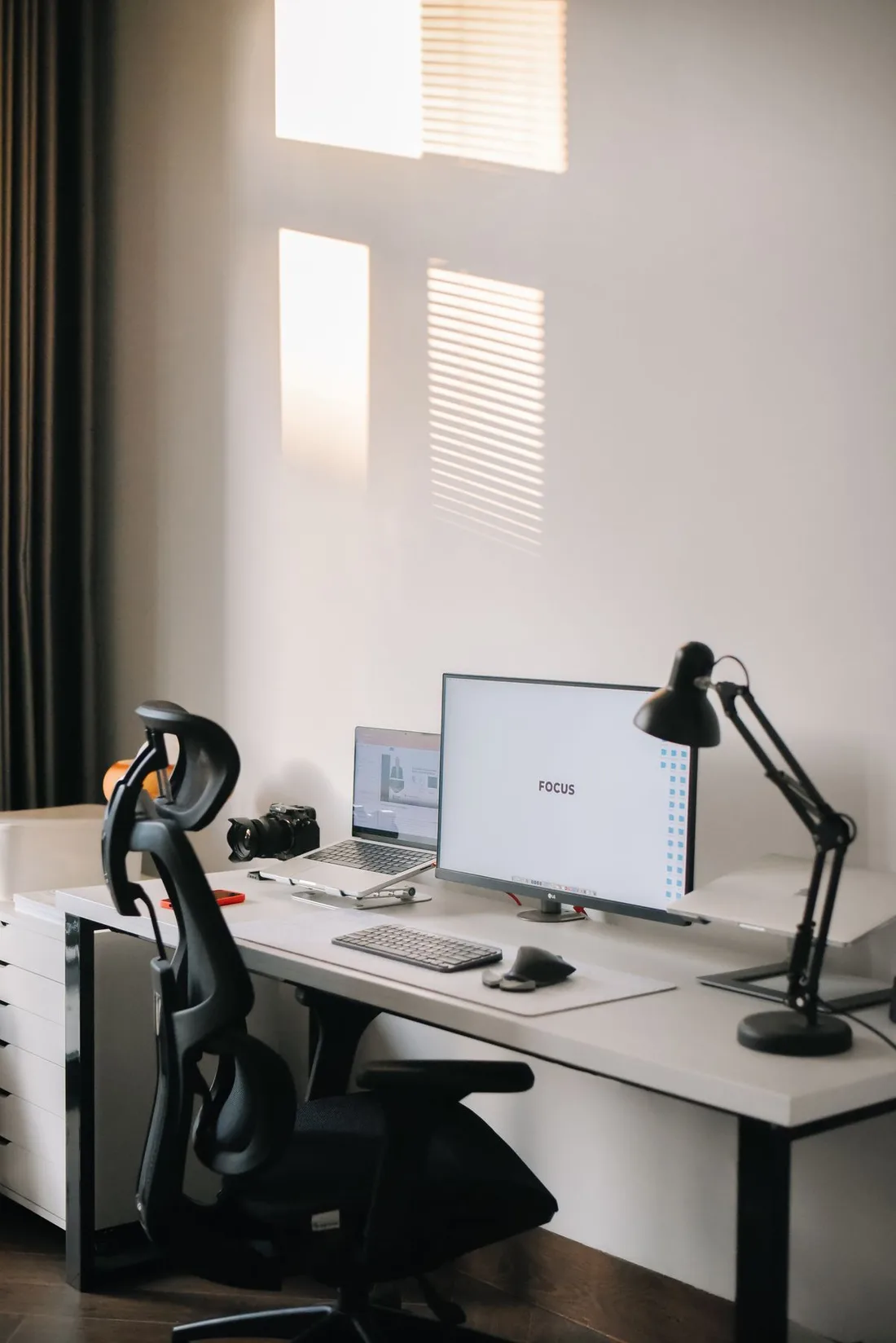 Posture
Long hours at a desk do not have to mean a sore neck and tight back. These five everyday habits are the ones we see most, and each has a simple fix.
Read more: 5 desk habits that are hurting your posture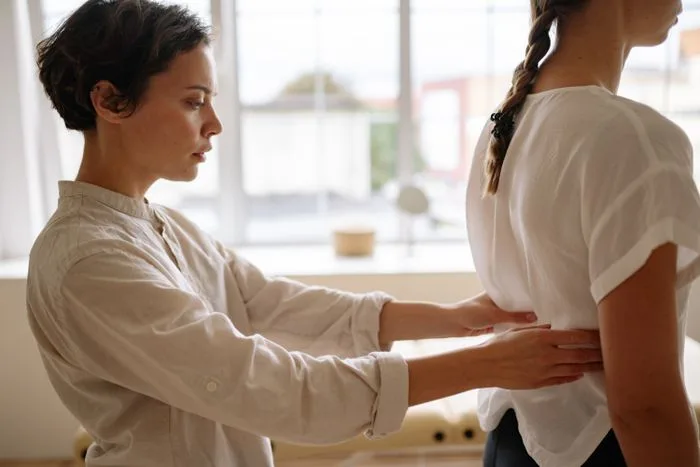 Back Pain
Most back pain settles on its own, but not all of it should be left to. Here is how to tell what can wait, what to get checked, and what needs urgent care.
Read more: When should you see a physio for back pain? Neck & Shoulders
Four gentle stretches you can do at your desk in a few minutes to ease a tight neck and shoulders, with simple pointers on how to do them comfortably.
Read more: Simple stretches for stiff neck and shoulders