
5 desk habits that are hurting your posture
Long hours at a desk do not have to mean a sore neck and tight back. These five everyday habits are the ones we see most, and each has a simple fix.
Read more: 5 desk habits that are hurting your postureDesk workers & professionals
Posture is how your body holds and moves itself through the day, and it shapes how your neck, shoulders and back feel at the end of it. At our Opera House clinic we assess how you sit, stand and move, then build a plan that fits your workday.
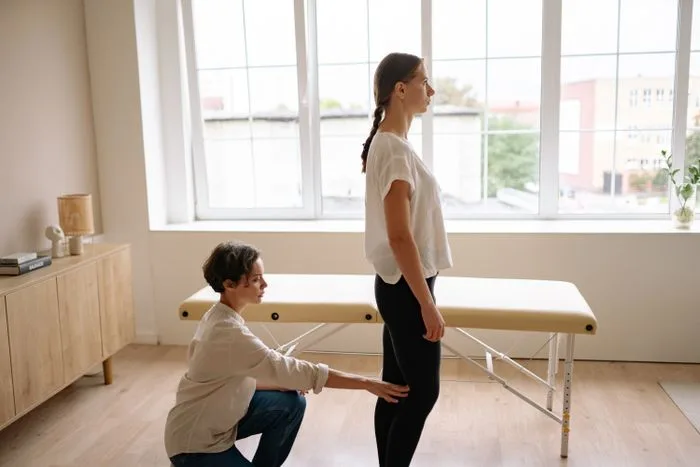
A posture assessment looks at the way you hold your body while sitting, standing and moving, and at the habits, strength and flexibility behind it. It is not a search for one perfect position. People come in many shapes, and a posture that suits one person may not suit another.
What matters most is that you are not stuck in one position for hours, that your joints can move freely, and that your muscles are strong enough to support you. Aches that build up over a working day often come from staying still, not from sitting “wrongly”.
Correction means changing what is making you uncomfortable: your set-up, your routine and the strength or mobility you are missing. We explain each finding in plain language, so you know what to change and why.
We start by listening to your day: your job, your hours, how you travel, how you exercise and where it hurts. Then we look at how you actually sit, stand and move, not just how you pose.
Your plan is built around the findings, not around a fixed routine. Most plans combine a few simple things done consistently.
Practical adjustments to chair, desk, screen height and laptop use, based on how you work.
Short, realistic ways to change position during the day, built around your meetings and deadlines.
Simple movements for the neck, upper back, chest and hips to ease the stiffness that builds from staying still.
Graded exercises for the upper back, trunk and hips so holding a comfortable position takes less effort.
Gentle soft-tissue and joint techniques where tightness is limiting how well you can move, within your comfort.
If assessment shows fascial restrictions are keeping you from moving freely, we may use it as one part of your plan.
Read about this techniqueThis is for desk workers and professionals who notice aches from sitting or screen work, who want a check of their posture and set-up, or who are starting a new job or a work-from-home arrangement. We make no promises of cure, and we will tell you if your symptoms need a doctor’s attention instead.
No. The best position is the next one. Regular changes of position, strength and comfortable joints matter more than holding a single “correct” posture.
It can help, particularly when pain is linked to long periods of sitting or screen work. Posture is one of several factors, so we look at strength, movement, stress and sleep too.
Not necessarily. Photos of your desk and chair, or a description of your set-up, can help. We can talk through changes even if you work from home or on the move.
Often small changes are enough, such as raising a screen or adding a cushion. We suggest what is worth buying and what is not.
Most plans include short exercises and movement breaks. We keep them brief and realistic, and we explain how often they are needed.
Braces can remind you of your position briefly but they do not build strength and can leave muscles doing less. We usually recommend exercise and habit changes instead.
Our focus is adults, particularly desk workers and professionals. If you are concerned about a young person’s posture or spine, we suggest seeing a doctor first.
Your physiotherapist
Dr. Akshay Bandekar is the founder of The Posture Perfect Physiotherapy Clinic.
Qualifications: BPTh, MIAP, COMT
Advanced training: Visceral Manipulation (USA), Fascial Manipulation (Italy), Craniosacral Therapy (USA)
Meet the teamBook an assessment at our Opera House clinic and we will plan your care together.
This website provides general information, not a diagnosis or personal medical advice. A qualified healthcare professional should assess your symptoms and advise on suitable care. Seek urgent medical attention for sudden weakness, loss of bladder or bowel control, chest pain, or other severe new symptoms.
From our journal
 Posture
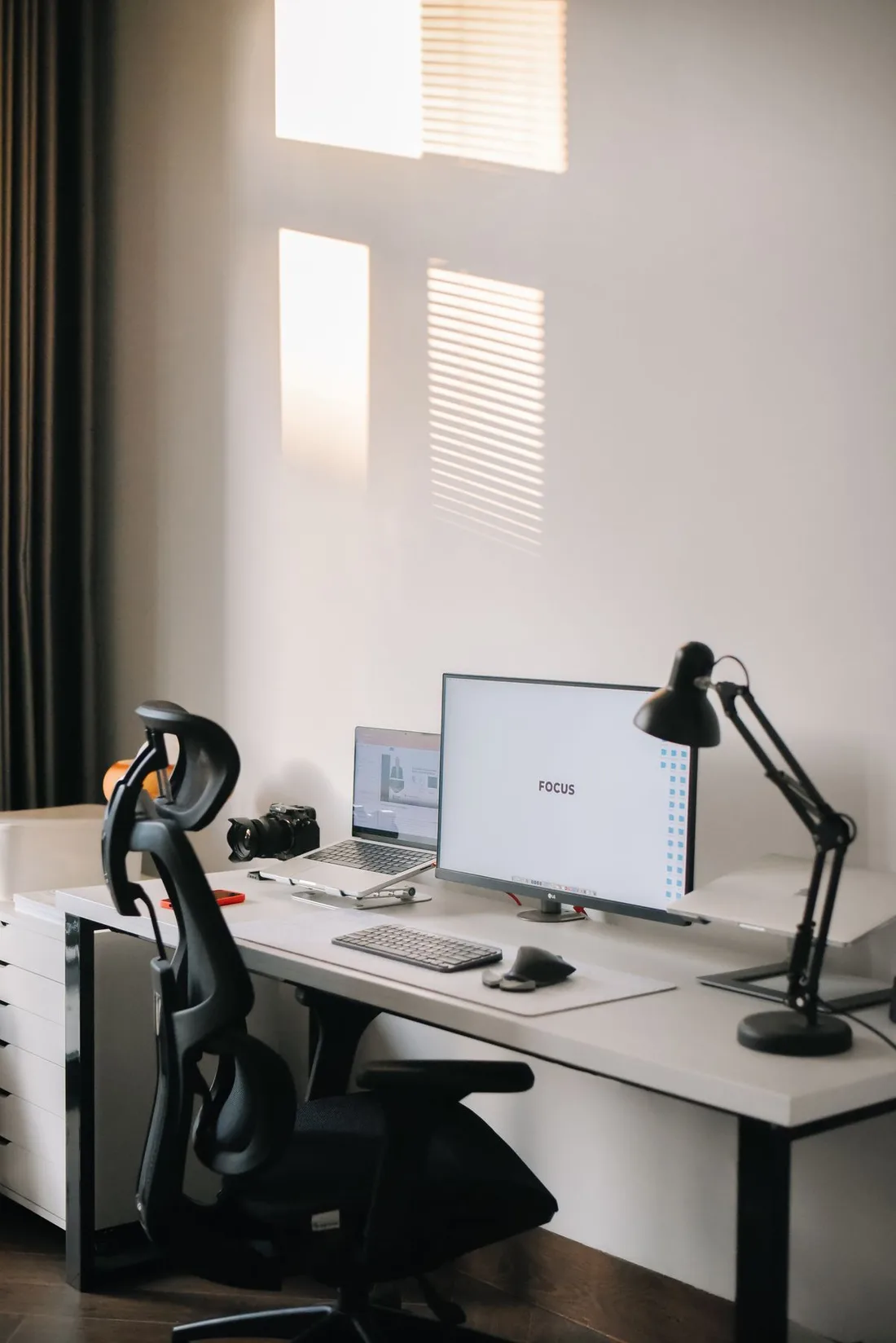
Long hours at a desk do not have to mean a sore neck and tight back. These five everyday habits are the ones we see most, and each has a simple fix.
Read more: 5 desk habits that are hurting your posture Back Pain
Most back pain settles on its own, but not all of it should be left to. Here is how to tell what can wait, what to get checked, and what needs urgent care.
Read more: When should you see a physio for back pain? Neck & Shoulders
Four gentle stretches you can do at your desk in a few minutes to ease a tight neck and shoulders, with simple pointers on how to do them comfortably.
Read more: Simple stretches for stiff neck and shoulders