
5 desk habits that are hurting your posture
Long hours at a desk do not have to mean a sore neck and tight back. These five everyday habits are the ones we see most, and each has a simple fix.
Read more: 5 desk habits that are hurting your postureDesk workers & professionals
A lower back that stiffens or aches after long periods of sitting is one of the most common complaints among desk workers and commuters. At our Opera House clinic we look at how you sit, how you move in between and what your hips and trunk can do, then plan changes that ease the stiffness.
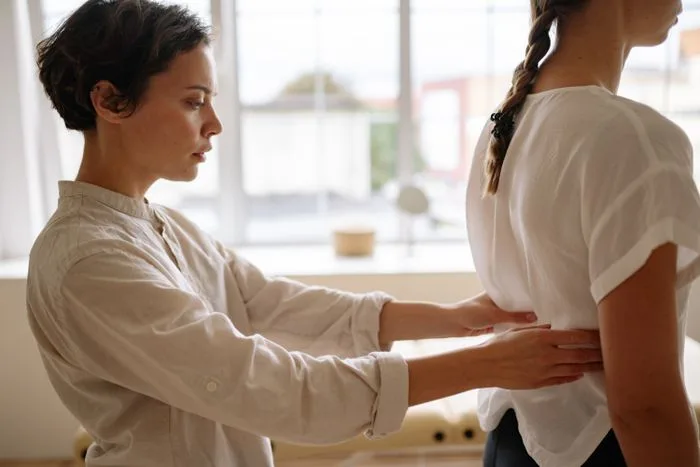
Sitting-related lower-back stiffness is the tight, achy feeling that builds in the lower back during long periods of sitting, or that makes standing up difficult at first. It often eases once you start moving.
The back does not mind sitting itself. It dislikes staying in one position without change. Over time, hours of stillness can make the hips tighter and the trunk muscles less active, so the lower back takes more of the load.
This page is about stiffness linked with sitting and workday habits. If you have sharp pain, pain travelling into the leg, or a more complicated picture, our back pain and disc prolapse pages describe those.
We ask about how long you sit, what your chair and desk are like, how you commute and what you do for exercise. Then we examine your lower back, hips and the way you move between sitting and standing.
We aim to give you ways to keep your back moving through the day, as well as exercises that make it more resilient.
Adjusting your chair, seat height and back support, and finding positions you can alternate between.
Short routines for standing, walking and gentle movements that you can fit between meetings and calls.
Stretches and movements that loosen the hips and lower back, so they stiffen less during the day.
Graded exercises that help the muscles around your spine and hips share the load.
Joint mobilisation and soft-tissue work to ease tightness in the lower back and hips, within your comfort.
When assessment suggests tension in the abdominal region may be linked to the stiffness, it can be considered alongside the rest of your care.
Read about this techniqueThis is for people whose lower back feels stiff or tight with desk work, driving or long journeys, without significant injury. We make no promises of cure, and we will tell you if your symptoms need a doctor’s attention or tests.
Sitting is not harmful in itself, but staying in one position for long periods can make the back stiff. Changing position and moving regularly matter more than the chair alone.
There is no single best chair. A chair that lets you adjust height and support, and that you can change positions in, is a good start. We look at what you have first.
A small cushion can make some chairs more comfortable, but it is not for everyone. We will check how it affects you before suggesting one.
Movement warms the muscles and lubricates the joints, which is why stiffness often eases. It also shows how helpful regular movement breaks can be.
Yes. Long periods of sitting shorten the hip flexors, which can pull on the lower back. Stretching and strengthening the hips often helps the back.
Stopping to move when possible, adjusting your seat and using gentle movements in your seat help. We can suggest a routine for travel.
If stiffness comes with severe pain, leg weakness, numbness, fever or any of the warning signs above, see a doctor. Otherwise it is usually a sign that your back needs more movement and support.
Your physiotherapist
Dr. Akshay Bandekar is the founder of The Posture Perfect Physiotherapy Clinic.
Qualifications: BPTh, MIAP, COMT
Advanced training: Visceral Manipulation (USA), Fascial Manipulation (Italy), Craniosacral Therapy (USA)
Meet the teamBook an assessment at our Opera House clinic and we will plan your care together.
This website provides general information, not a diagnosis or personal medical advice. A qualified healthcare professional should assess your symptoms and advise on suitable care. Seek urgent medical attention for sudden weakness, loss of bladder or bowel control, chest pain, or other severe new symptoms.
From our journal
 Posture
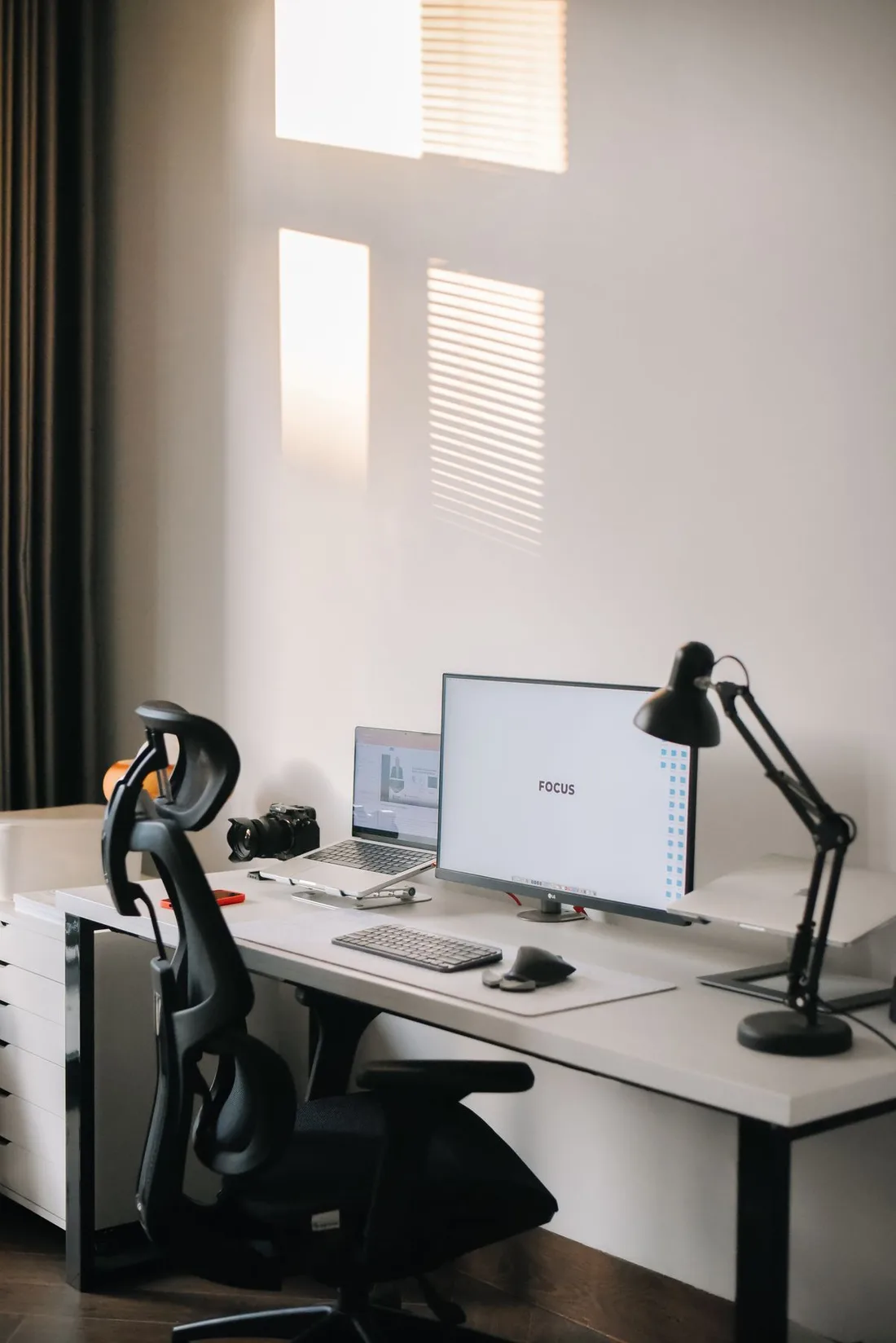
Long hours at a desk do not have to mean a sore neck and tight back. These five everyday habits are the ones we see most, and each has a simple fix.
Read more: 5 desk habits that are hurting your postureBack PainMost back pain settles on its own, but not all of it should be left to. Here is how to tell what can wait, what to get checked, and what needs urgent care.
Read more: When should you see a physio for back pain? Neck & Shoulders
Four gentle stretches you can do at your desk in a few minutes to ease a tight neck and shoulders, with simple pointers on how to do them comfortably.
Read more: Simple stretches for stiff neck and shoulders